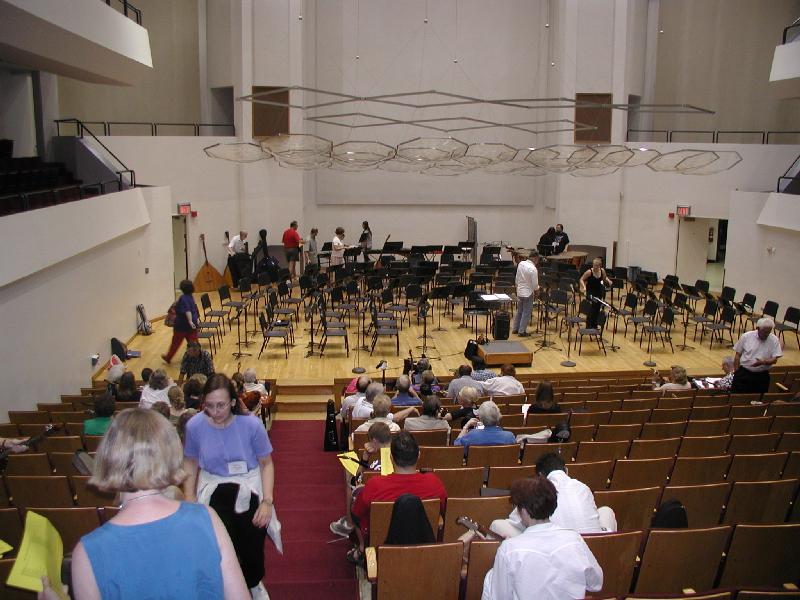
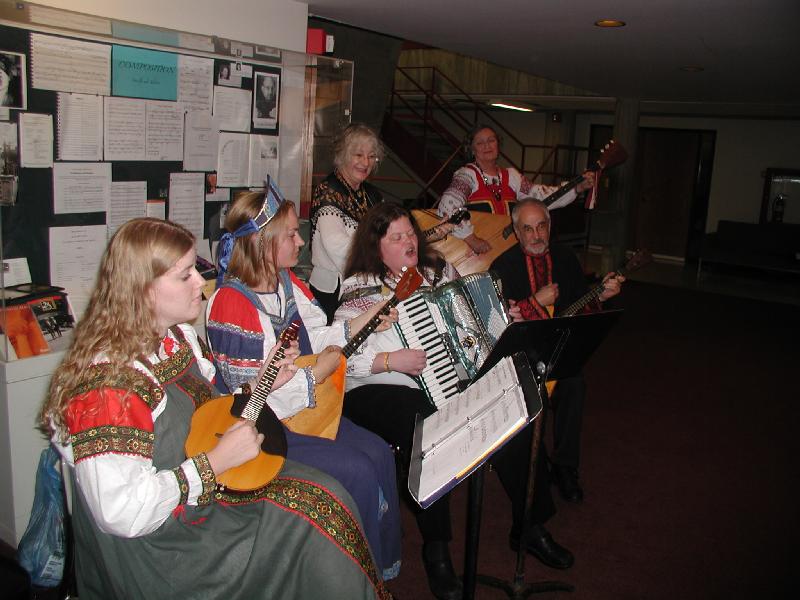
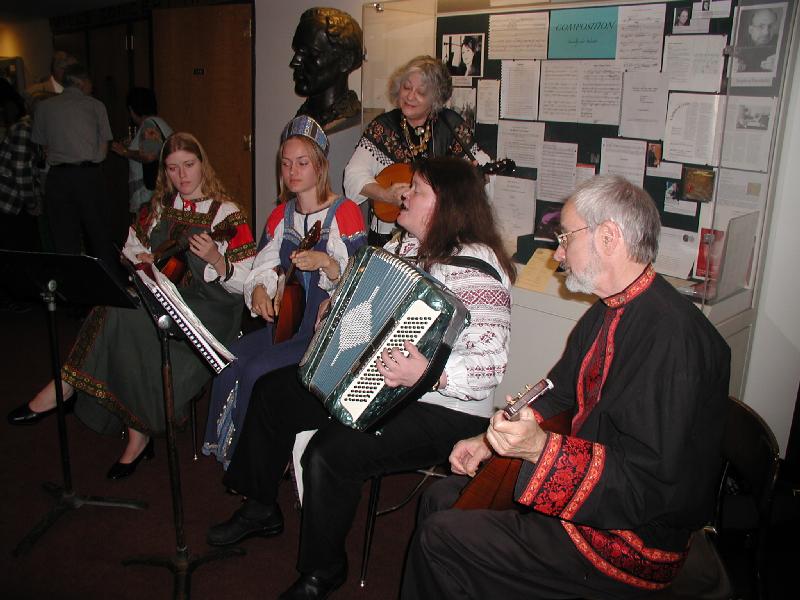
Madison, WI, Barynya Russian music ensemble at the Balalaika and Domra Association of America conference 2005 (videos)
Russian folk music ensemble Barynya participated in 2005
The Balalaika and Domra Association of America
conference in Madison, WI.
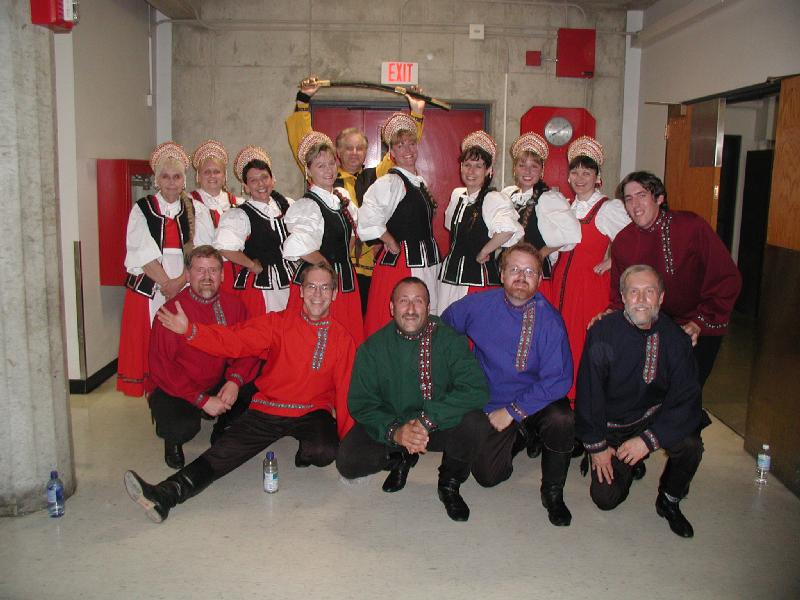
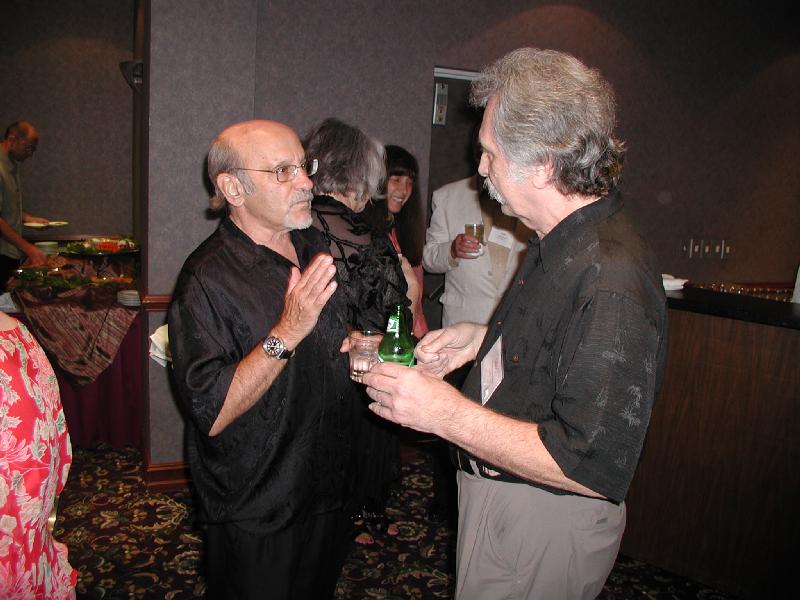
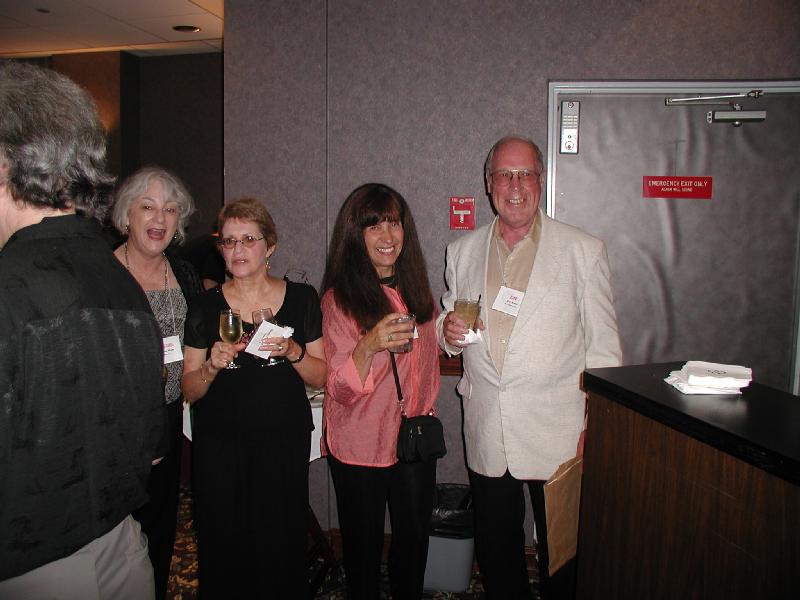
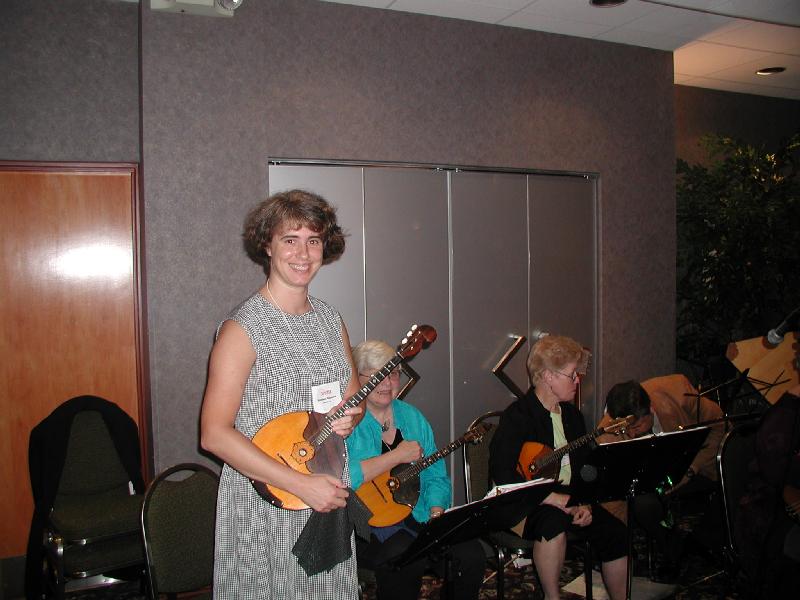
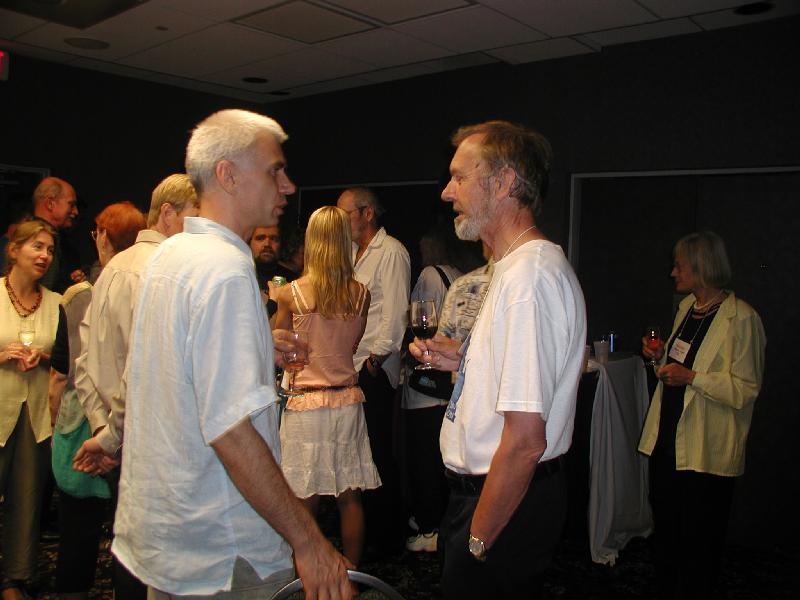
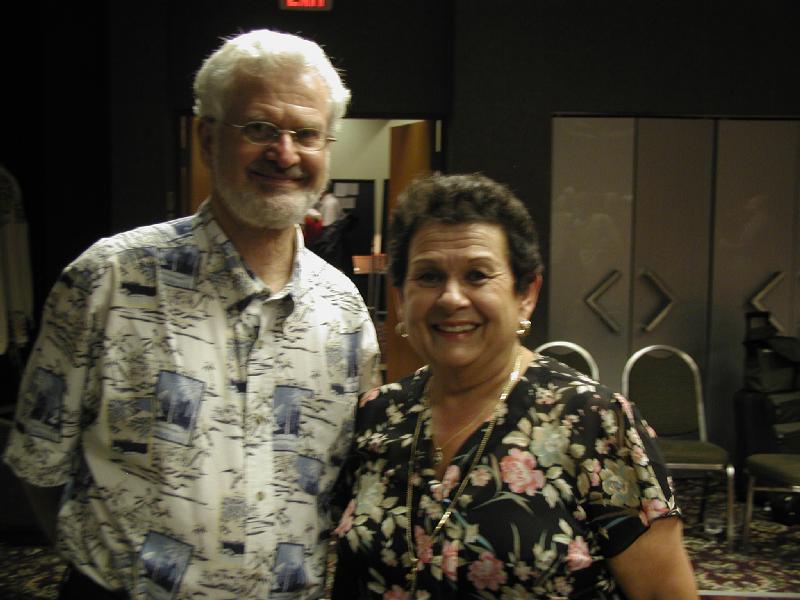
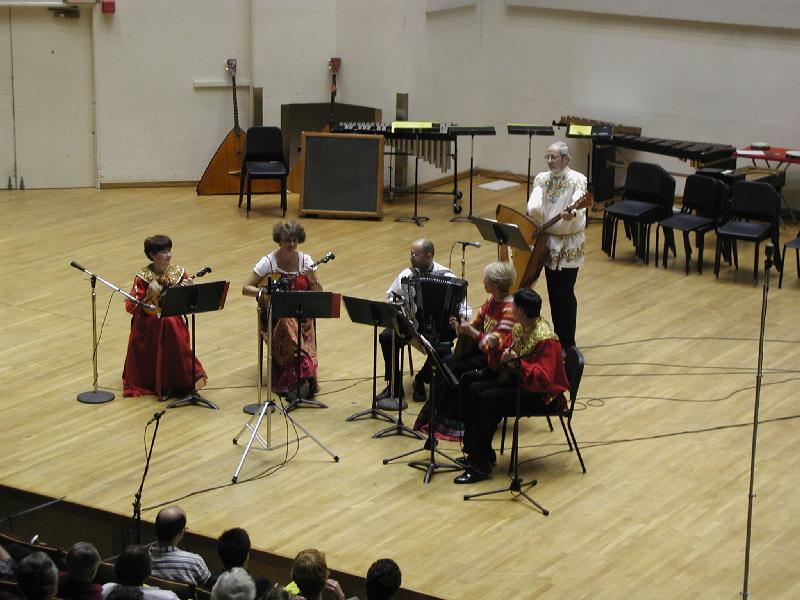
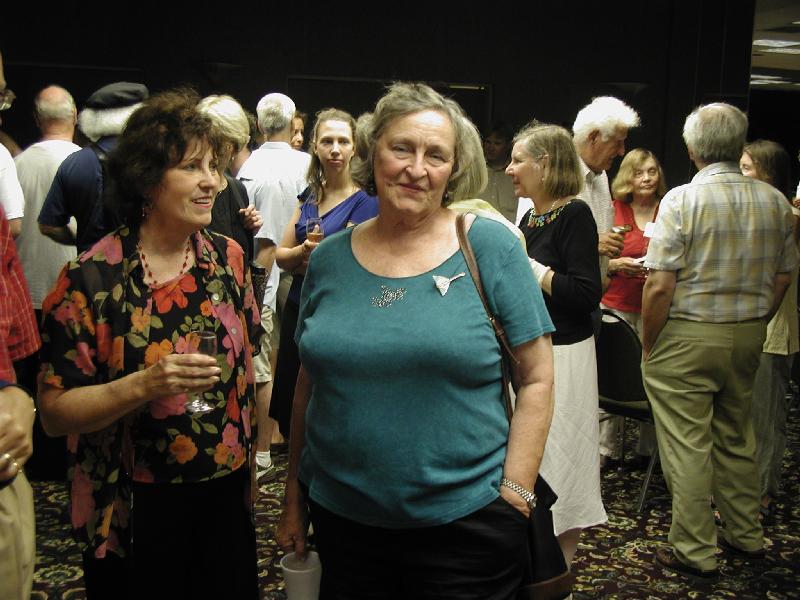
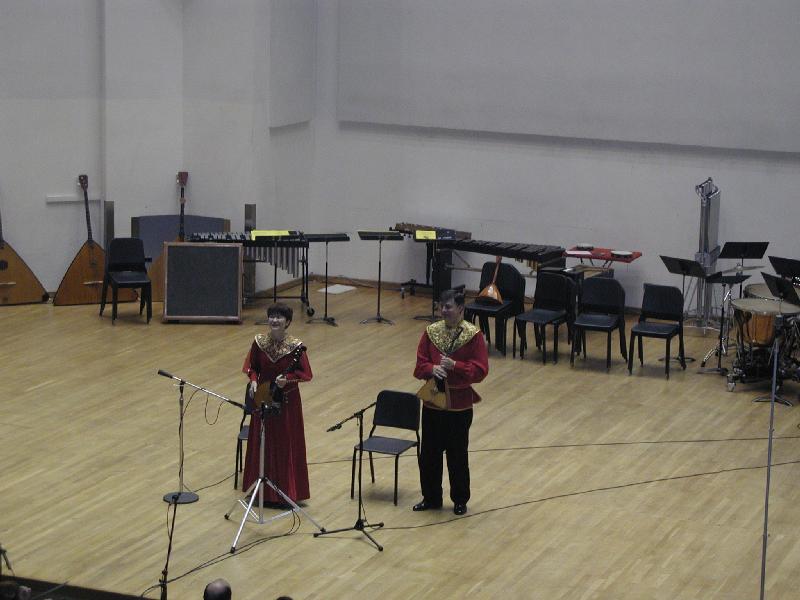
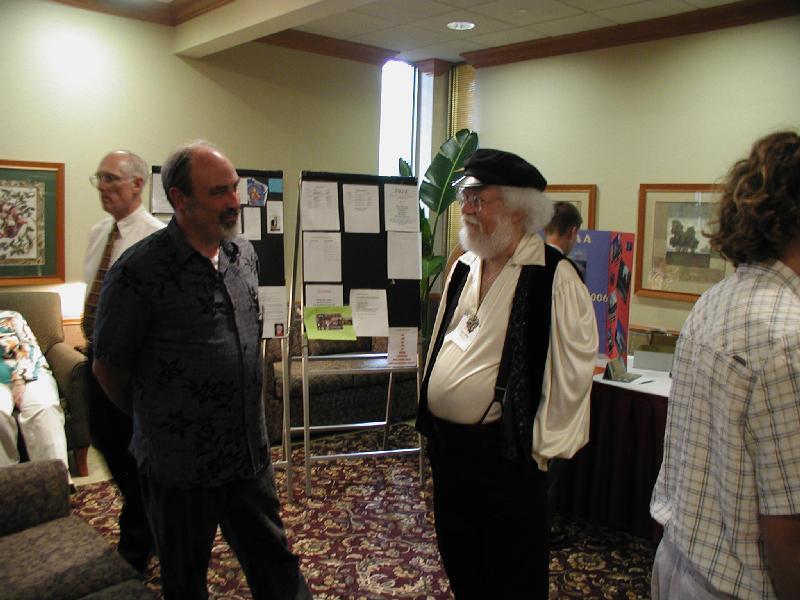
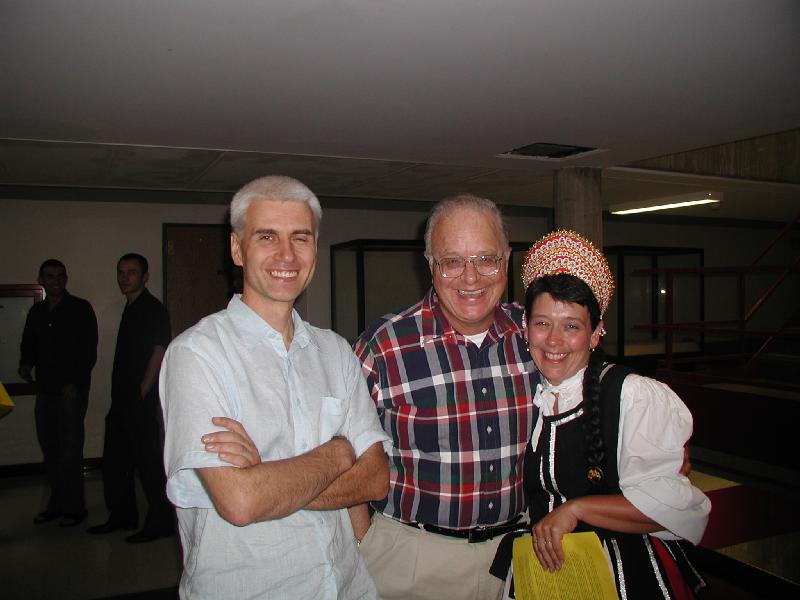
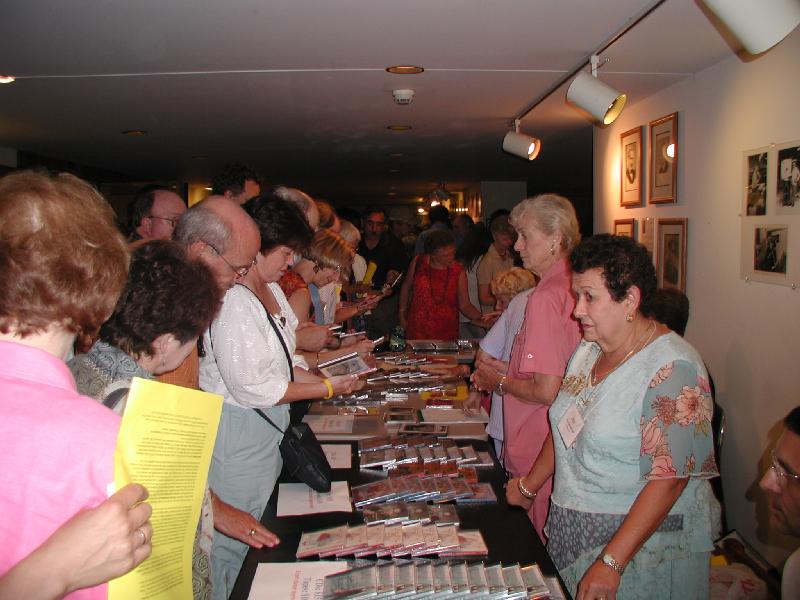
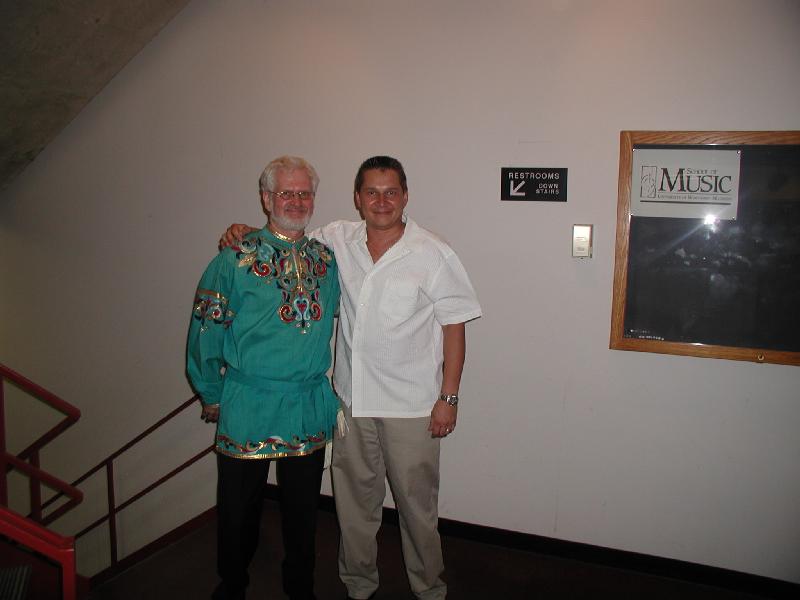
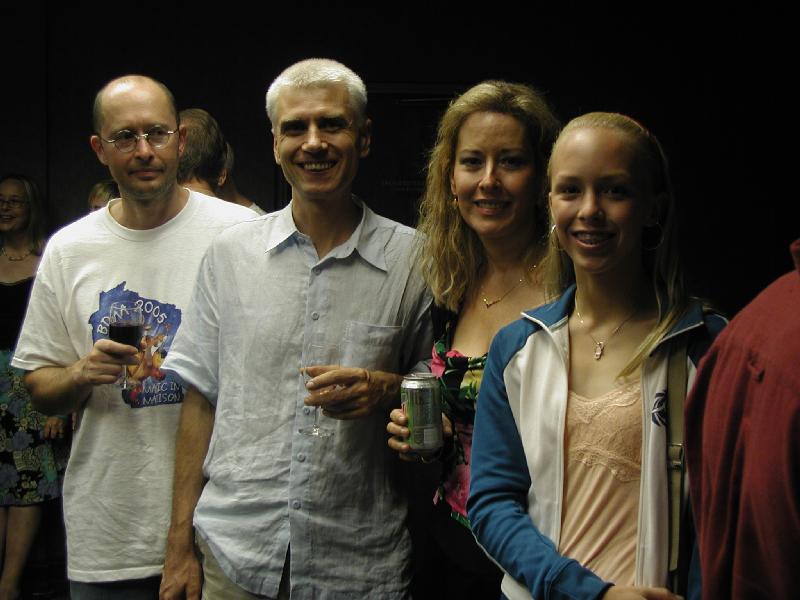
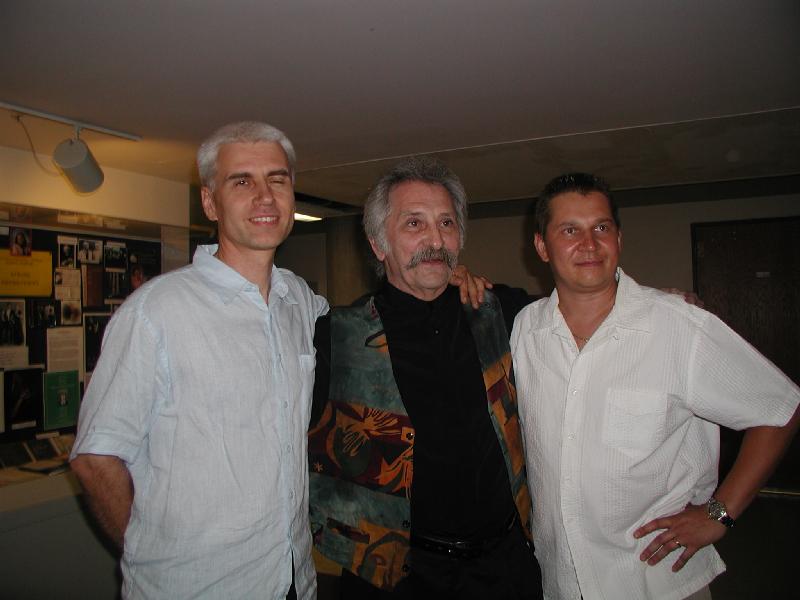
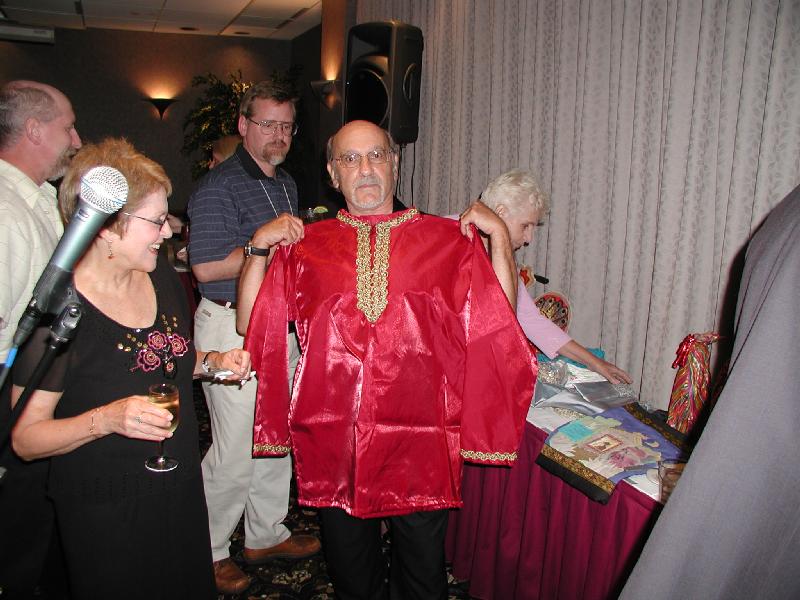
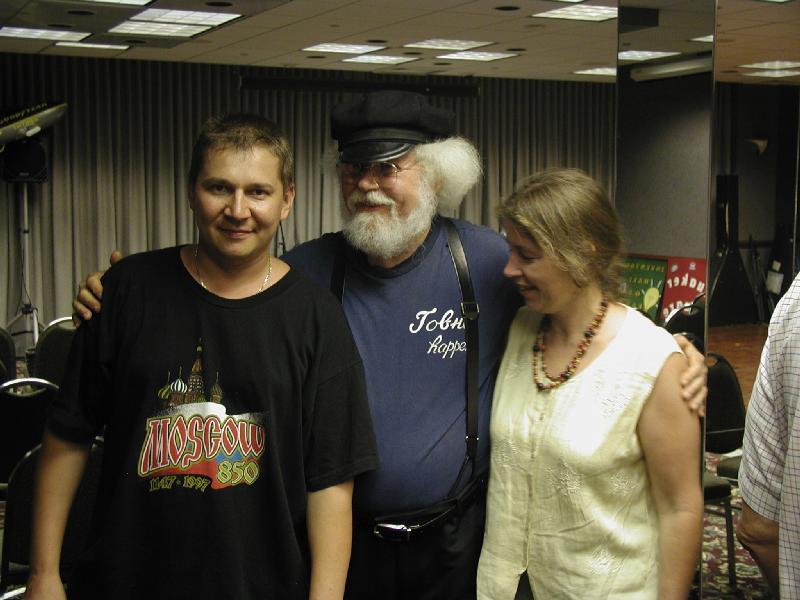
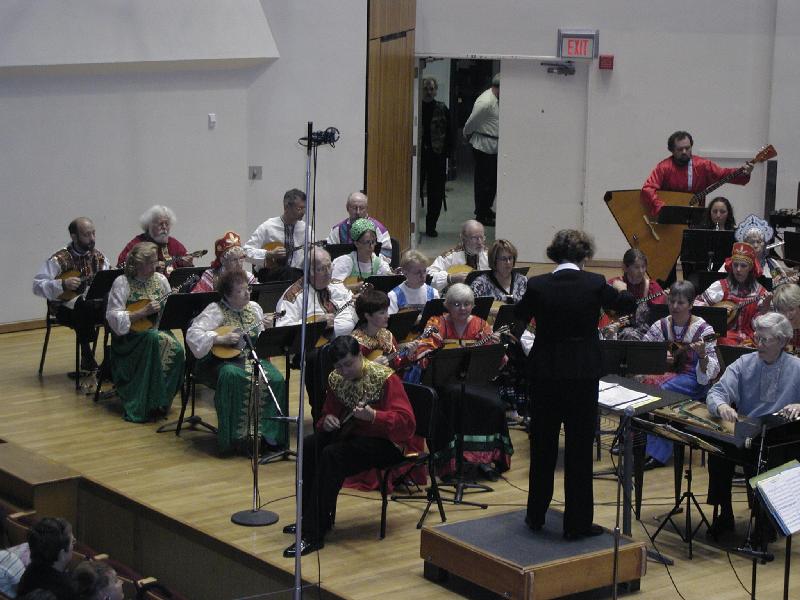
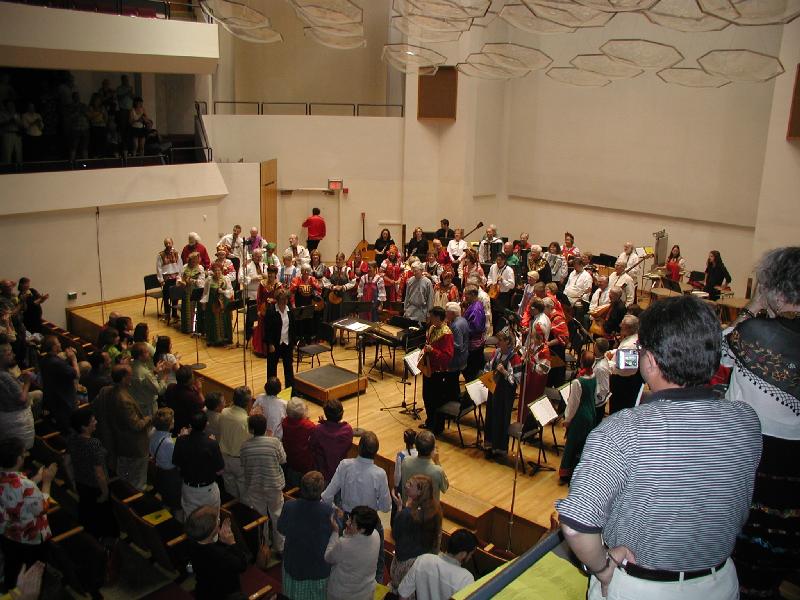
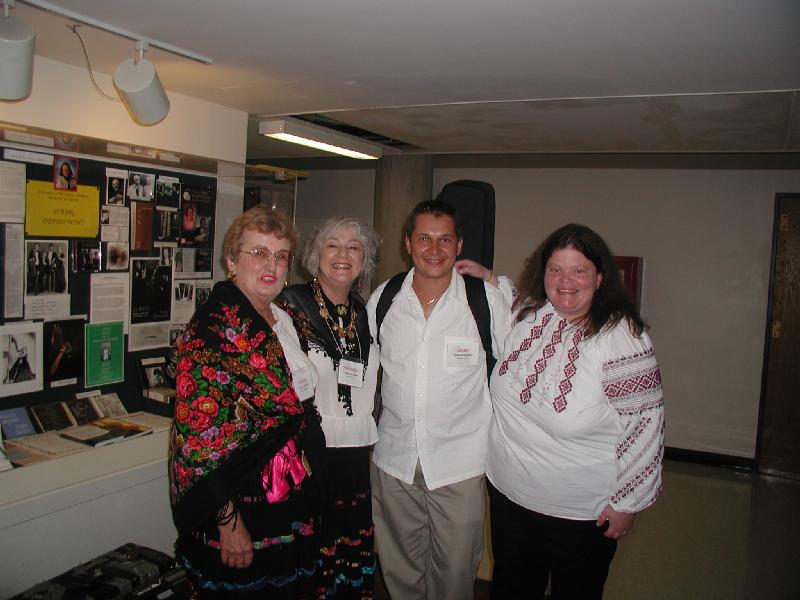
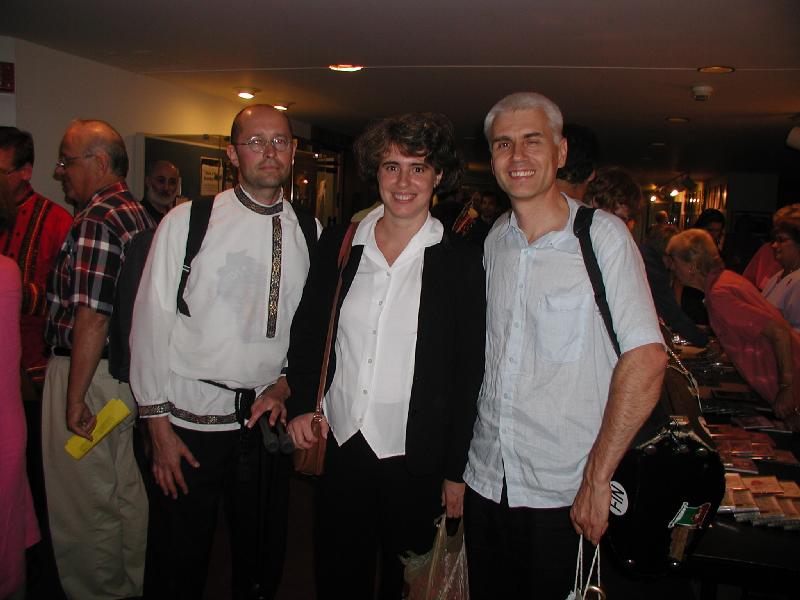
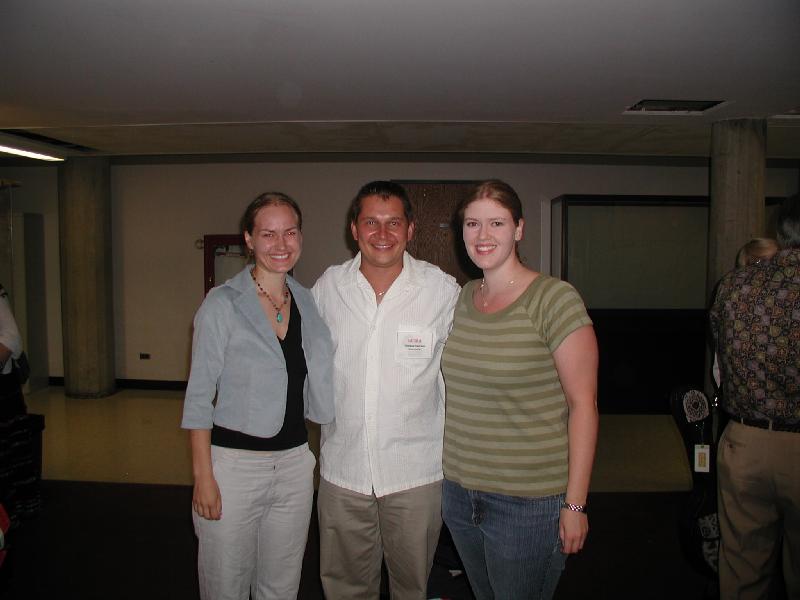
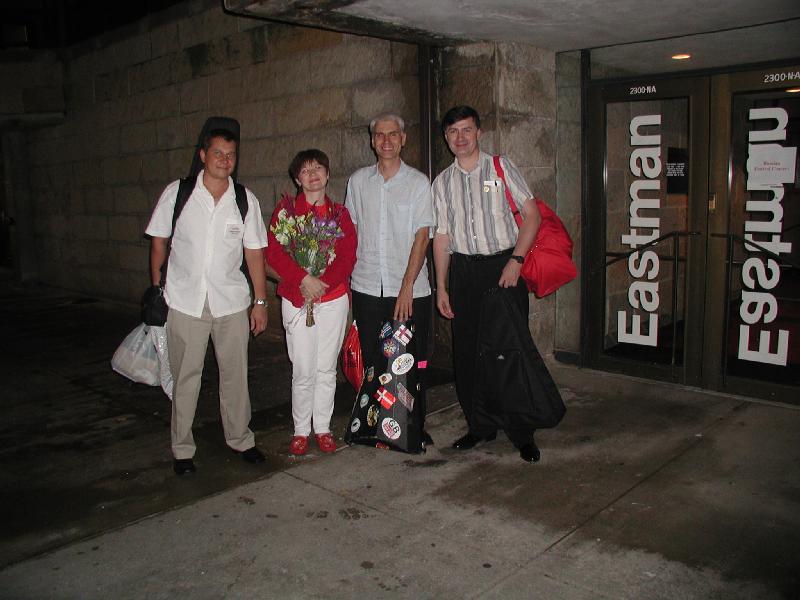
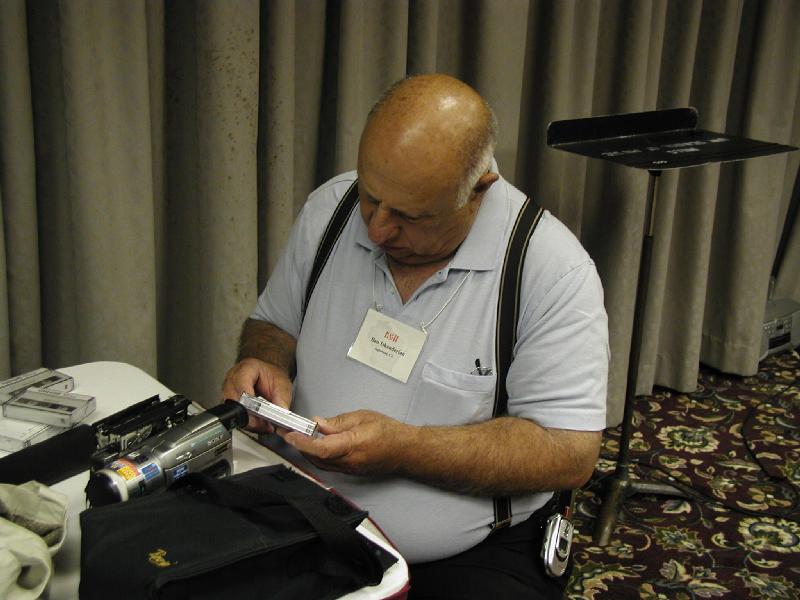
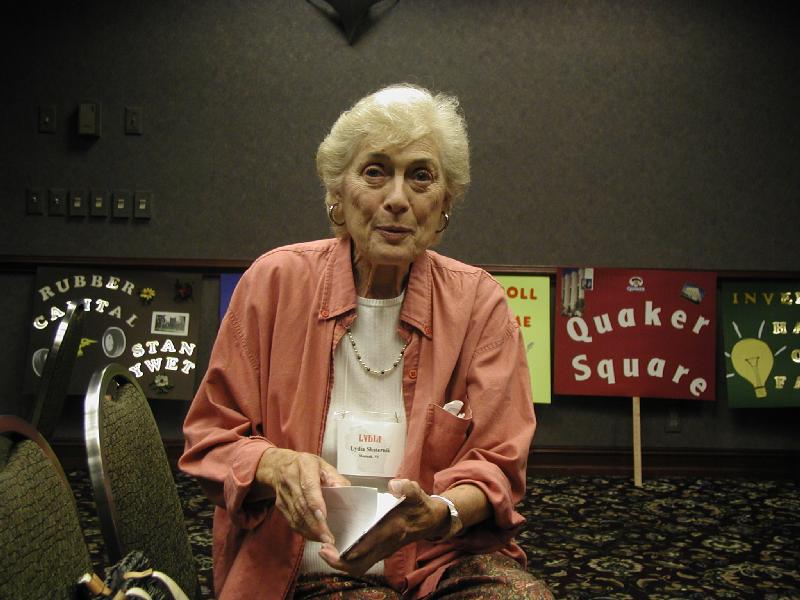
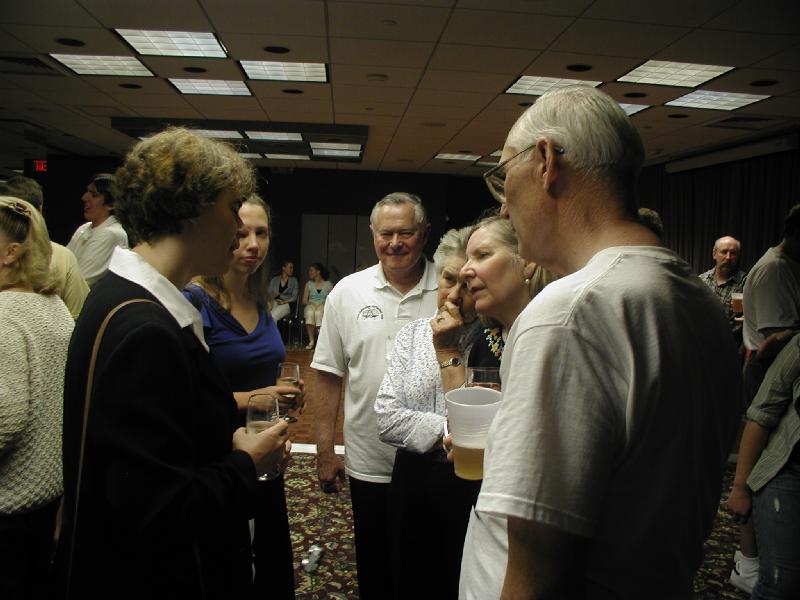
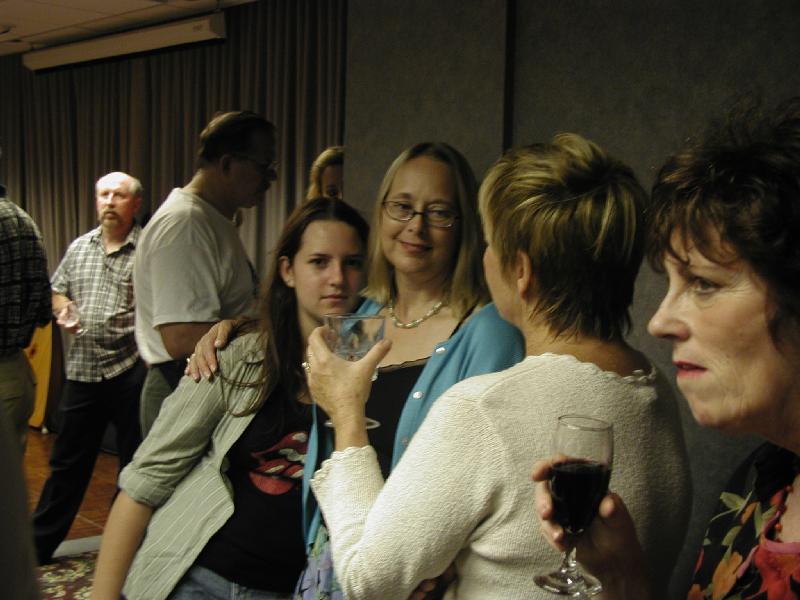
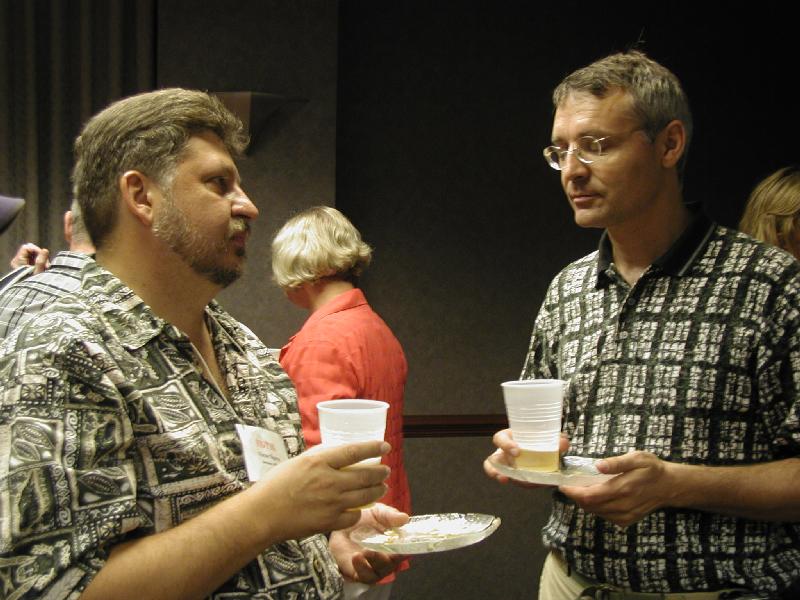
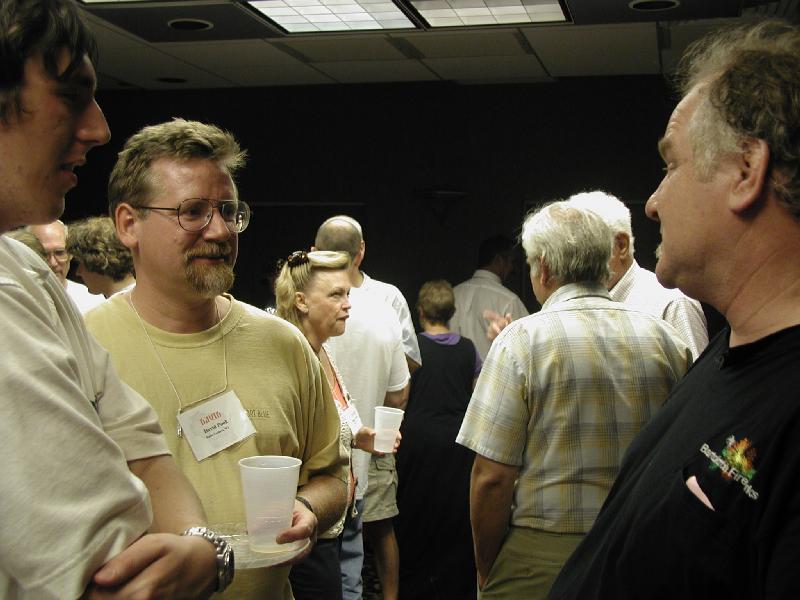
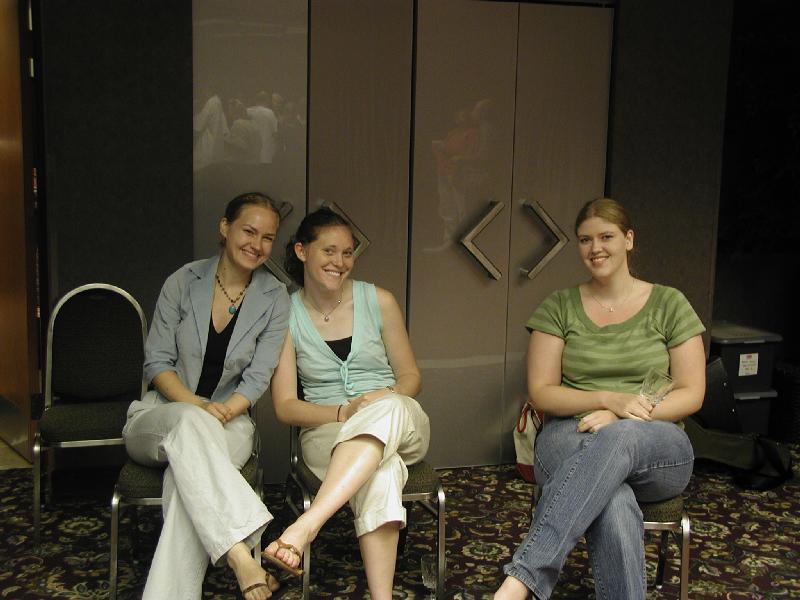
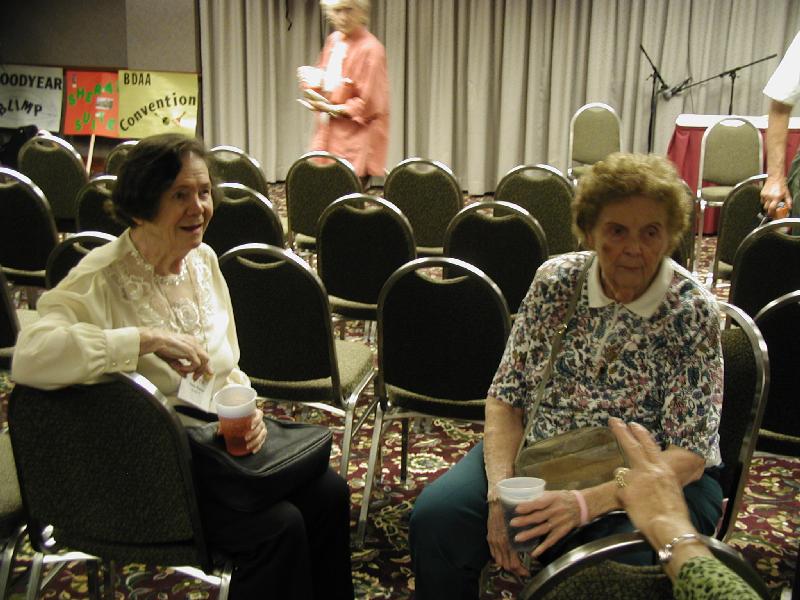
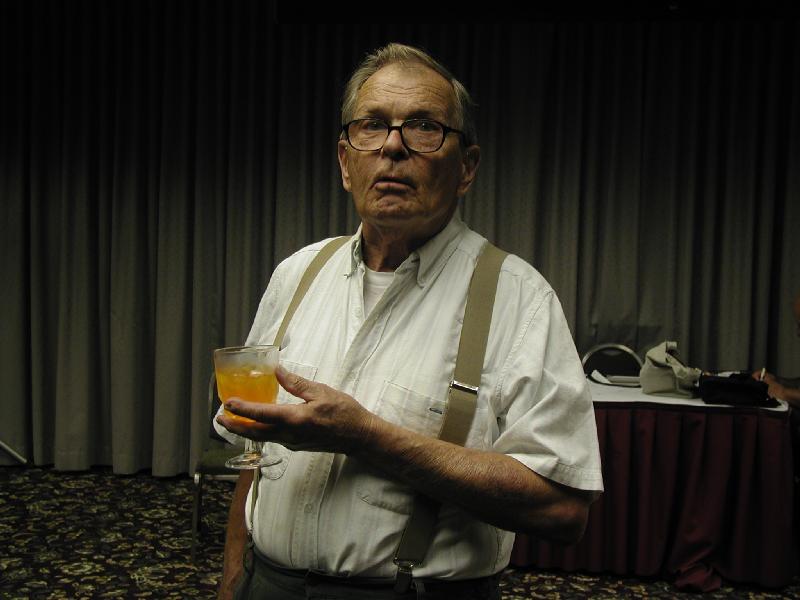
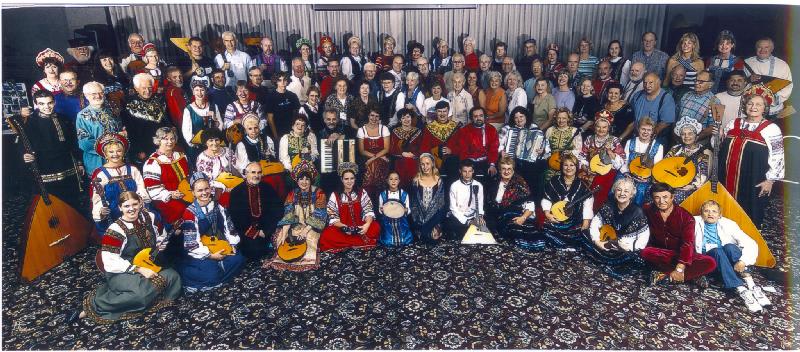
Video of ensemble Barynya performance Alex Siniavski (balalaika), Mikhail Smirnov (guitar, vocal), Judy Sherman (vocal), Victor Gorodinsky (balalaika contrabass) and Greg Harbar (accordion). Photos of the domra and balalaika players and Russian folk music fans who also attended the BDAA convention.
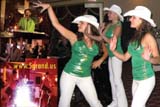
Dancers, singers, and musicians of Russian dance and music ensemble Barynya are available for hire for the performing art centers, festivals, schools, libraries, concert halls, restaurants, private and corporate events as one powerful ensemble or in smaller groups.
Celebrating russian folk music Article by Gayle Worland
Copyright 2005 - Wisconsin State Journal
Lisa Woodson used to wield a cello in the Wisconsin Youth Symphony Orchestra. Today the Madison native-turned- Russian historian nestles a three-stringed, melon-backed alto domra onto her lap and, with a pick in her right hand instead of a bow, begins a quick tremolo - releasing the music of another country, another time, half a world away.
"I think it's a beautiful sound. A very rich sound," says Woodson of the Russian folk instrument she took up just 2 years ago. "There's a sort of singing quality to the sound of a rapidly strummed instrument."
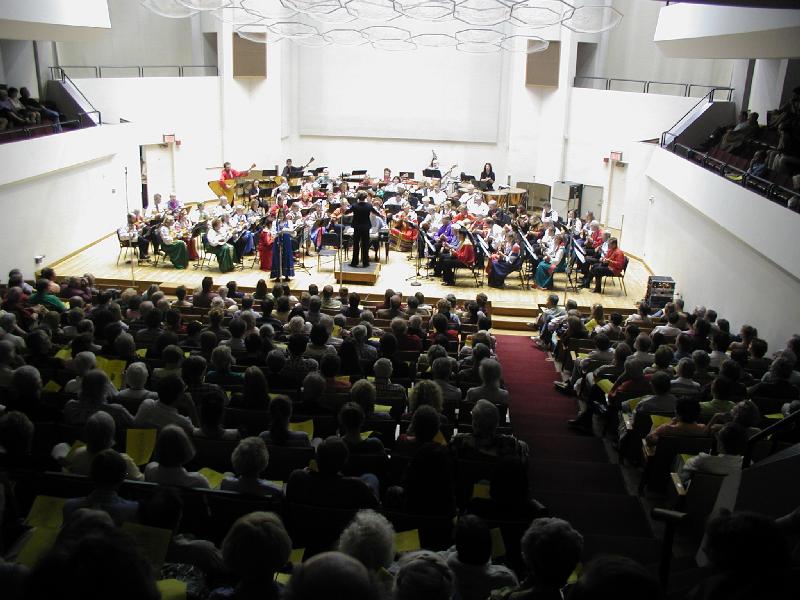
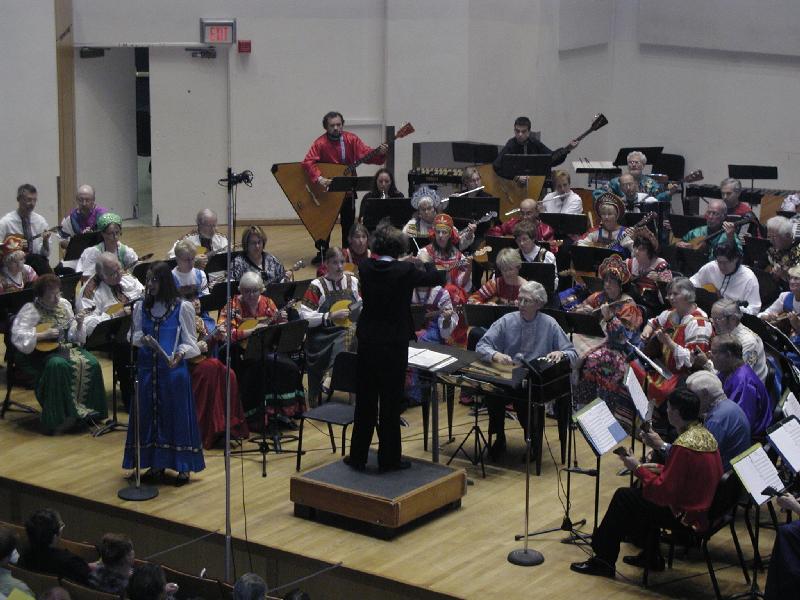
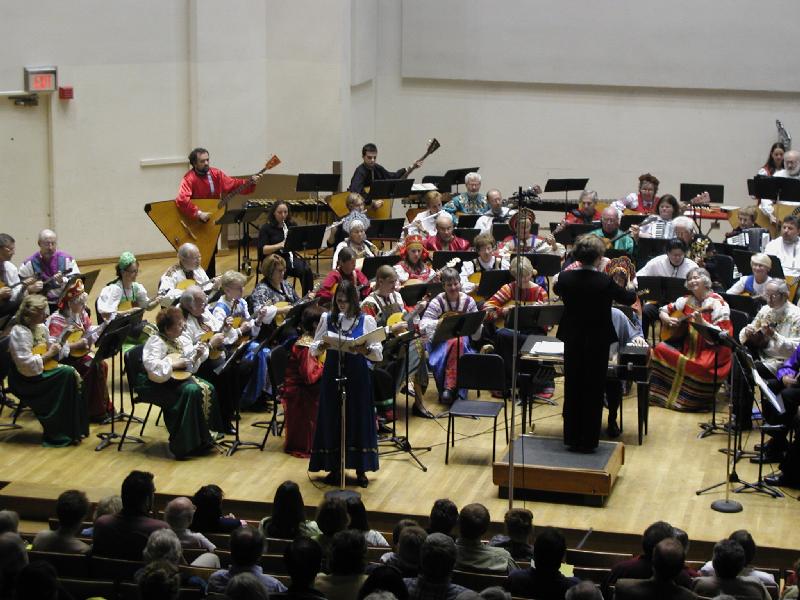
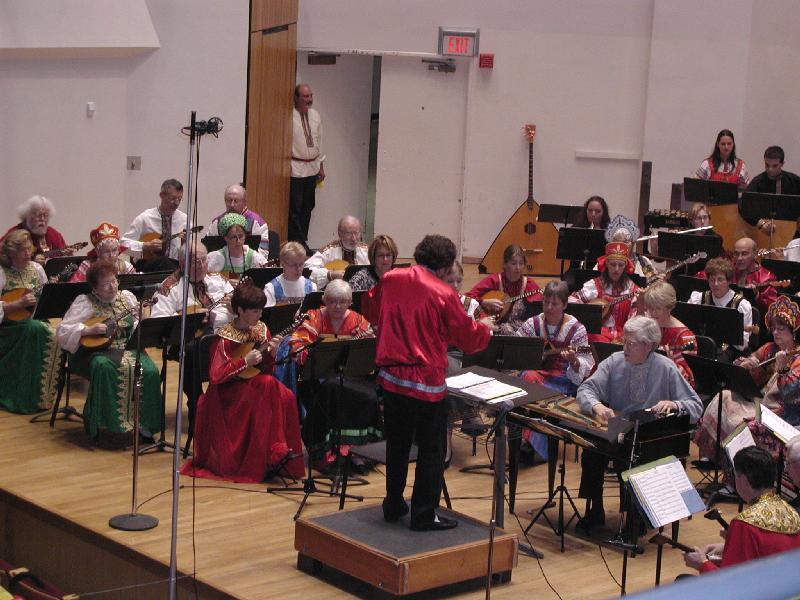
On Saturday evening, Woodson and 67 other musicians from across North America and Russia will don their colorful peasant dresses ("sarafans") and high-necked shirts ("rubashkas") for a two-hour Russian Festival Concert in UW-Madison's Mills Hall.
The performance is the culmination of a weeklong convention of the BDAA, or Balalaika and Domra Association of America, which is being held this week in Madison for the second time in the BDAA's 27-year history.
This passionate music is best known to Western audiences from the 1965 film "Doctor Zhivago" - spirited and sparkling and yet, through an underlying yearning and poignancy, able to touch a deep place in the soul.
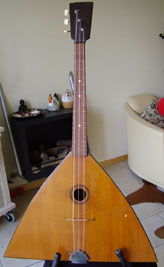
The round-faced domra and the triangle-shaped balalaika form the core of the Russian folk orchestra.
Like the violin family, the imported instruments come in various shapes and timbres, from the soprano- voiced "prima"
balalaikas and domras, just a tad smaller than a mandolin, to their colossal bass and contrabass versions that
stand upright on the floor and tower over the musicians who play them.
Saturday's performance, conducted by Svetlana Nikonova, also features musicians on flute, oboe, bayan (a button accordion) and the autoharp- like gusli. The percussion section will include the orchestra's youngest member, the conductor's 8-year-old daughter, Varvara.
For some a quirky pastime, for others a link to their ancestry, Russian folk orchestras tend to embrace skilled musicians and beginners alike. Today only about 10 active Russian folk orchestras are sprinkled across the U.S., including Madison's UW Russian Folk Orchestra founded seven years ago by Slavic Studies librarian Victor Gorodinsky.
Though centuries old, the Russian folk sound "is still somewhat exotic in this country," says Gorodinsky. "Maybe not as exciting as people who eat snakes. But it's exciting."
Non-musicians also come to BDAA conventions to soak up the culture: Russian language classes, gypsy jam sessions, folk dances, and lessons in cooking traditional Russian appetizers, or zakuski.
On the last night of the convention, the cooks bring in the zakuski "with great ceremony, sometimes by candelight," said BDAA executive director Maxwell McCullough. "And we chow down."
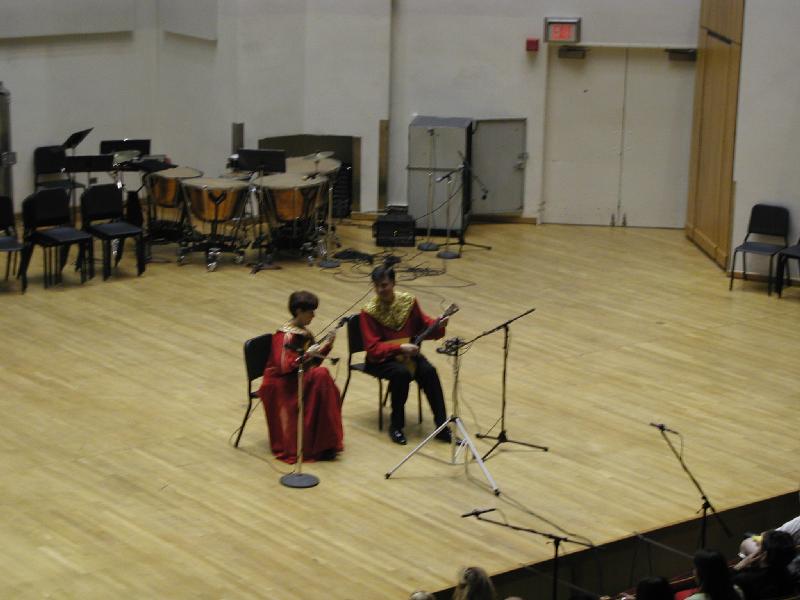
Still, music is the week's centerpiece. The orchestra meets two hours a day to rehearse concert pieces ranging from a classical Tchaikovsky work to Strauss's "Radetzky March" and traditional folk tunes. Players learn from master teachers like domra virtuoso Nadezhda Burdykina and balalaika pro Igor Senin, a husband-and- wife team who will be featured soloists in Saturday's show.
"There's just something about Russian folk music," says Ron Markvan, BDAA president and a prima balalaika player. "It grabs you by the heart."
The Balalaika Tutorial online
Famous Russian balalaika virtuoso Alex Siniavski have released an online version of his best selling The Balalaika Tutorial DVD. You can get it at his website www.iBalalaika.com. Below you can see two samples - short intro into the course, and lesson 6 - tremolo.
1. Introduction 2. Tuning 3. Strumming 4. Thumb Pizzicato 5. Pizzicato Vibrato 6. Double Pizzicato 7. Single Pizzicato 8. Tremolo 9. The Rolls 10. Left Hand Position 11. Learning a Song 12. Scales 13. Basic Chords 14. The Folk Balalaika
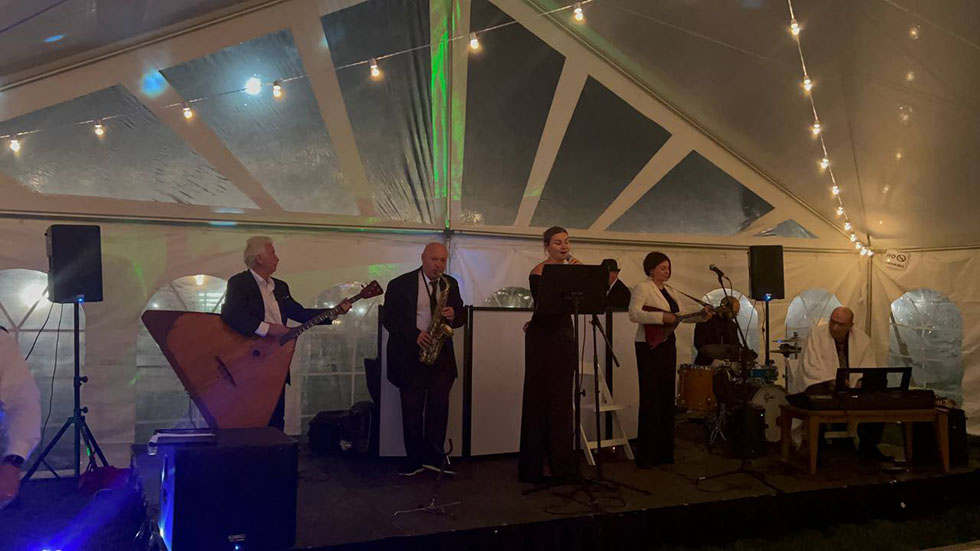
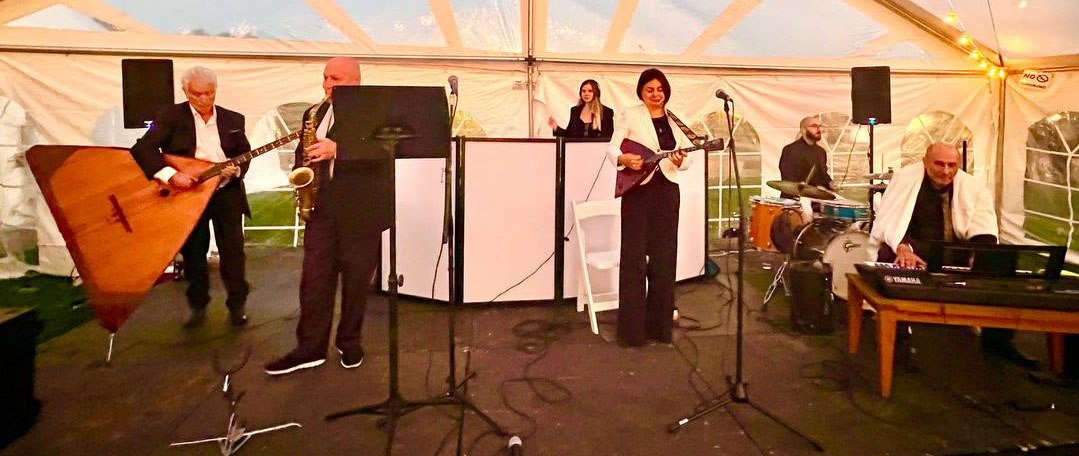
Live Music Balalaika Band - Wedding Tasting Room & Taphouse at Mount Ida Reserve - in Scottsville, Virginia - October 8, 2022
DJ Alisa, bilingual MC-Tamada Mikhail and eight piece live music band provided music and entertainment for mixed Russian-Jewish-American wedding reception in Scottsville, Virginia on Saturday, October 8th, 2022. For their venue newlyweds selected Tasting Room & Taphouse at Mount Ida Reserve, 5600 Moonlight Dr, Scottsville, VA 24590.