


Pусскиe народныe музыкальные инструменты
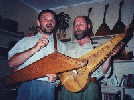
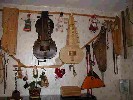
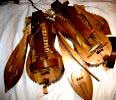
Мастер Александр Жуковский, город Москва
Pусскиe народныe музыкальные инструменты изготовленные мастером
Александром Жуковским: колёсные лиры, гусли, донские рылеи, гудки, дудки, балалайки,
рожки, жалейки, волынки, свирели, кугиклы, калюки.
народные инструменты
| цены и сроки
| послушать звучание
| фотографии
| по английски
Изготовлением инструментов занимаюсь 14 лет. Образцами
для моих инструментов служат археологические находки
из раскопов в г. Великий Новгород, музейные образцы, а
так же экспедиционные находки и приобретения различных
учебных заведений и моих друзей и знакомых. Инструменты
делал для себя, т.к. сам являюсь участником фольклорного
коллектива. Со временем поступали предложения и заказы
на изготовление того или иного инструмента от отдельных
музыкантов и музыкальных групп у нас в стране и других
странах. Провожу мастерклассы по инструментальной музыке,
т.е. рассказываю о муз. инстр., о истории создания и
бытования, о конструкции и изготовлении, о игре на этих инстр.
о репертуаре, об ансамблевой игре ( гусли-гудок;
балалайка-рожок и др.) с иллюстрацией конечно же. На моих гуслях,
гудках и лирах (рылеях) играют ансамбли "Казачий круг",
"Древо", "Ветка", один из ансамблей Д. Покровского (театр
на Таганке), "Яхонт лазоревый" и мн. др.
Александр Жуковский
Мастерская Александра Жуковского
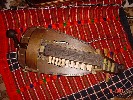
Украинская Лира
"Я не знаю, видели ли вы когда-нибудь украинскую лиру. Сейчас, должно
быть, ее можно найти только в музее. Но в те времена не только на базарах в
маленьких городках, но и на улицах самого Киева часто встречались
слепцы-лирники. Они шли, держась за плечо босоногого маленького поводыря в посконной
рубахе. В холщовой торбе у них за спиной были спрятаны хлеб, лук, соль в
чистой тряпочке, а на груди висела лира. Она напоминала скрипку, но к ней
были приделаны рукоятка и деревянный стержень с колесиком.
Лирник вертел рукоятку, колесико кружилось, терлось о струны, и они
жужжали на разные лады, будто вокруг лирника гудели, аккомпанируя ему,
добрые ручные шмели. Лирники почти никогда не пели. Они говорили певучим речитативом свои
думки, "псальмы" и песни. Потом замолкали, долго слушали, как
жужжит-затихает лира, и, глядя перед собой незрячими глазами, просили
милостыню."
Источник: Константин Паустовский. Книга о жизни. Далекие годы
Украинская лира
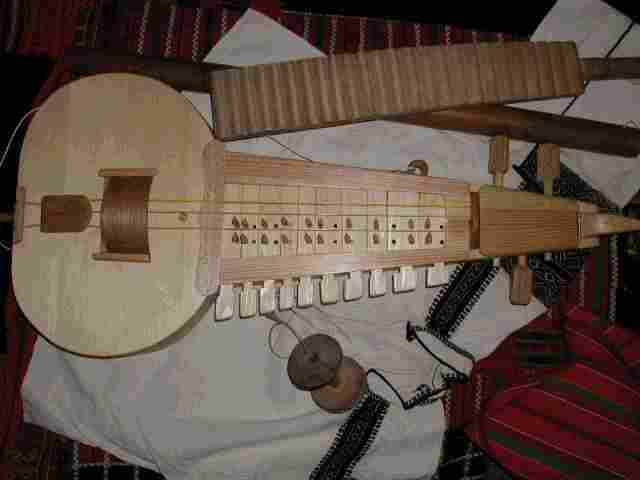
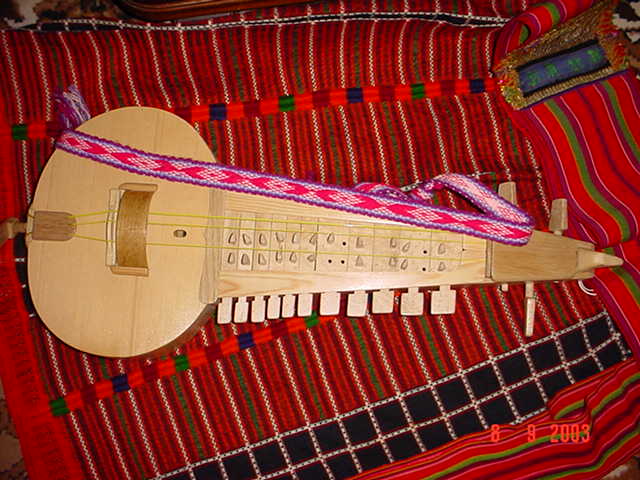
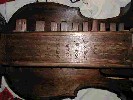
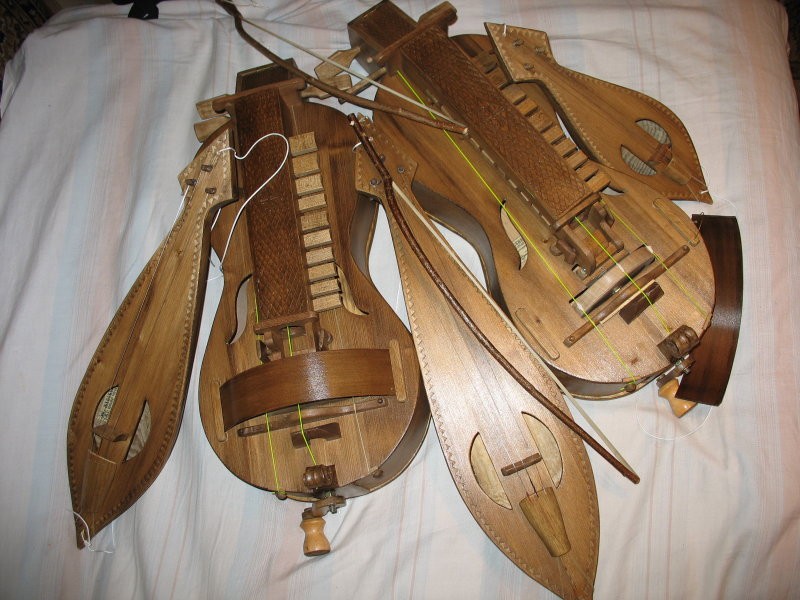
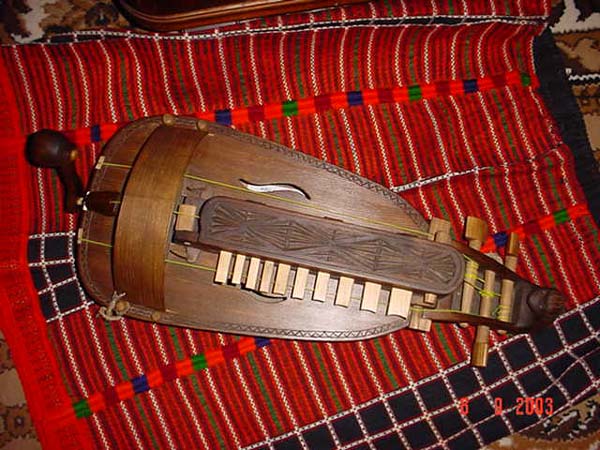
Колёсная лира
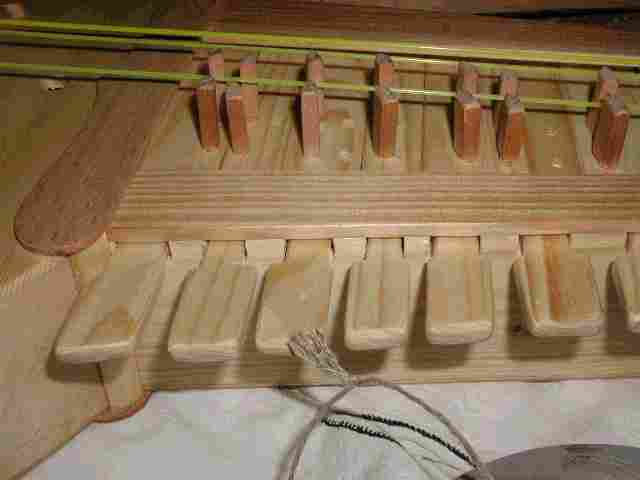
Колёсная лира - струнный музыкальный инструмент, по форме напоминающий скрипичный футляр.
Исполнитель держит лиру на коленях. Бoльшая часть ее струн звучит одновременно,
вибрируя в результате трения о колесо, вращаемое правой рукой. Одна-две отдельных струны,
звучащая часть которых укорачивается или удлиняется с помощью стержней левой рукой,
воспроизводят мелодию, а остальные струны издают монотонное гудение.
В 10–13 вв. колесная лира представляла собой громоздкий инструмент, играли на ней два человека.
Инструмент находил применение в монастырях, на нем исполняли церковную музыку.
Позднее на нем играли бродячие музыканты-нищие, при этом его размеры уменьшились.
В 18 в. колесная лира стала модной игрушкой французских аристократов, увлекавшихся
сельским бытом. В русских и украинских лирах всего лишь 3 струны.
Колёсная лира
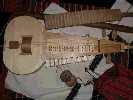
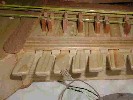
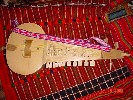
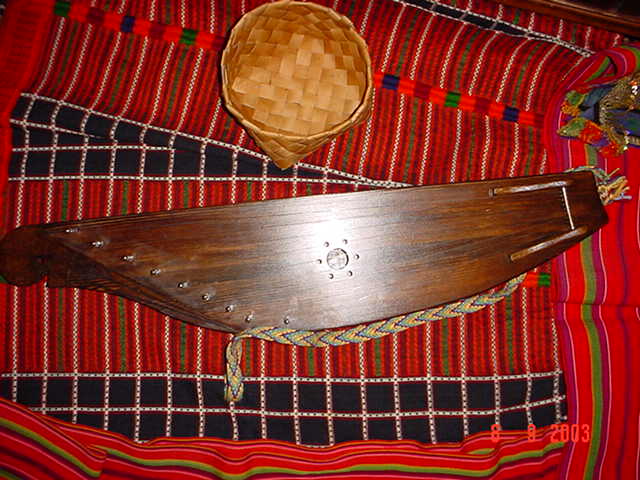
Донской рылей
Донской рылей - редчайший старинный струнный музыкальный инструмент, разновидность украинской лиры.
(РЫЛЯ, искаженно лира, три струны, по коим снизу ходит кружёк,
замест смычка, обращаемый лебедкою; пальцы левой руки перебирают и нажимают струны;
с рылями старцы и слепцы поют малорусские думы.
Рылейщик - играющий на рылях.
Донской рылей
Гусли
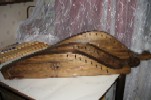 Гусли - многострунный щипковый русский народный инструмент. Щипковые инструменты гусельного типа имеют более чем тысячилетнюю историю.
Первые сведения о щипковых инструментах исследователи относят ко II веку нашей эры.
Еще у скифских племен существовал инструмент с пятью струнами так называемый пятиструнник.
В записях арабских путешественников и географов X-XI веков упоминается струнный инструмент с восемью струнами.
В Древней Руси гусли - наиболее распостраненный музыкальный инструмент.
Гусли - многострунный щипковый русский народный инструмент. Щипковые инструменты гусельного типа имеют более чем тысячилетнюю историю.
Первые сведения о щипковых инструментах исследователи относят ко II веку нашей эры.
Еще у скифских племен существовал инструмент с пятью струнами так называемый пятиструнник.
В записях арабских путешественников и географов X-XI веков упоминается струнный инструмент с восемью струнами.
В Древней Руси гусли - наиболее распостраненный музыкальный инструмент.
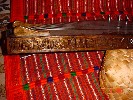 В произведениях устного эпического творчества (Былинах, сказаниях) его бытование связано с образами гусляров - гудцов Садко,
Добрыни Никитича, певца-сказителя Бояна. О древнем происхождении инструмента свидетельствуют письменные и иконогорафические источники:
фрески Софийского собора в Киеве, миниатюры древнерусских летописей, и особенно вещественные доказательства новгородских археологических
раскопок XX столетия. Материалом для изготовления гуслей служила древесина березы, ели, рябины. Орнаменты на деке свидетельствуют
о язычесних представлениях мастеров. Игрой сопровождали пение медленных песен и плясовых мелодий.
Пальцы левой руки играющего ставились между струн так, что во время игры они свободно и поочередно прижимали струны,
а правой рукой бряцали по струнам, извлекая простые последовательные аккорды.
В произведениях устного эпического творчества (Былинах, сказаниях) его бытование связано с образами гусляров - гудцов Садко,
Добрыни Никитича, певца-сказителя Бояна. О древнем происхождении инструмента свидетельствуют письменные и иконогорафические источники:
фрески Софийского собора в Киеве, миниатюры древнерусских летописей, и особенно вещественные доказательства новгородских археологических
раскопок XX столетия. Материалом для изготовления гуслей служила древесина березы, ели, рябины. Орнаменты на деке свидетельствуют
о язычесних представлениях мастеров. Игрой сопровождали пение медленных песен и плясовых мелодий.
Пальцы левой руки играющего ставились между струн так, что во время игры они свободно и поочередно прижимали струны,
а правой рукой бряцали по струнам, извлекая простые последовательные аккорды.
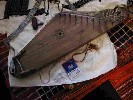
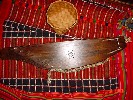
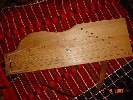
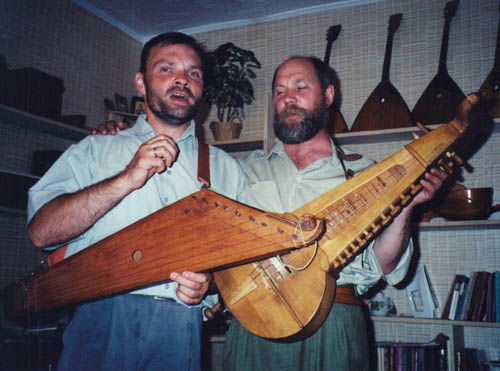
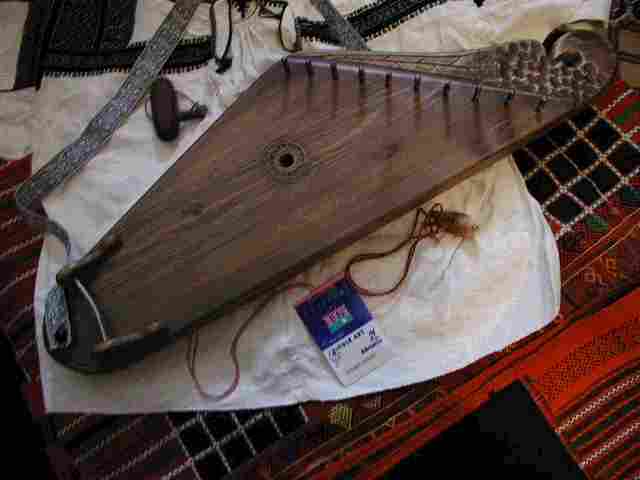
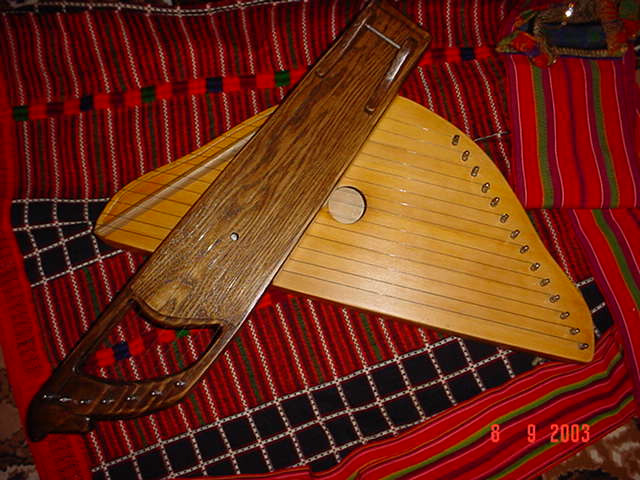
Гусли крыловидные
На протяжении многих веков гусли совершенствовали, изменяя форму, увеличивая количество струн,
украшая резьбой и росписью. По форме гусли существуют шлемовидные, треугольные, трапециевидные, прямоугольные.
Гусли крыловидные (или звончатые) состоят из долбленого или клееного корпуса крыловидной формы,
на деке которого натянуты от 4 до 8 металлических струн.
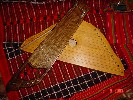
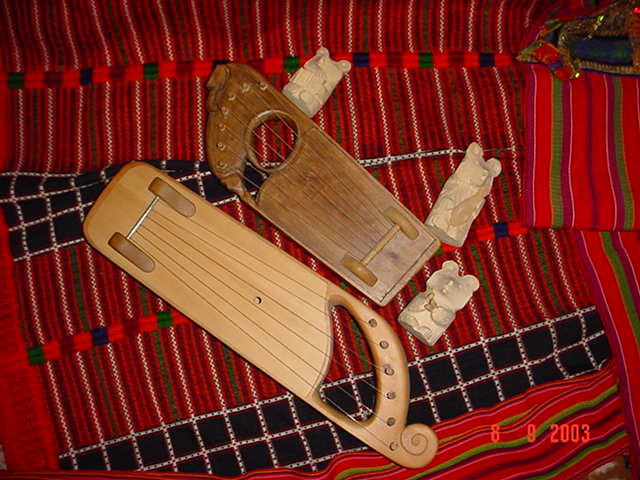
Гусли шлемовидные и арфовидные
Некоторые образцы XI-XIV веков имели по 9 струн; в XVIII веке уже от 5 до 14 струн и диапазоном от кварты до двух октав. Строй был диатонический, обычно мажорного лада, а низкие звуки образовывали квинтовый бурдон по отношению к основному звукоряду. Со временем на смену музыкальным произведениям былинно-распевного характера приходит песенный фольклор, который вызвал появление новых музыкальных инструментов. Бытование гуслей сохраняется лишь в северных районах России - Новгород, Псков, Вологда, Архангельск,
Кострома. За последние два столетия фольклорно-этнографических экспедиций найдено большое количество
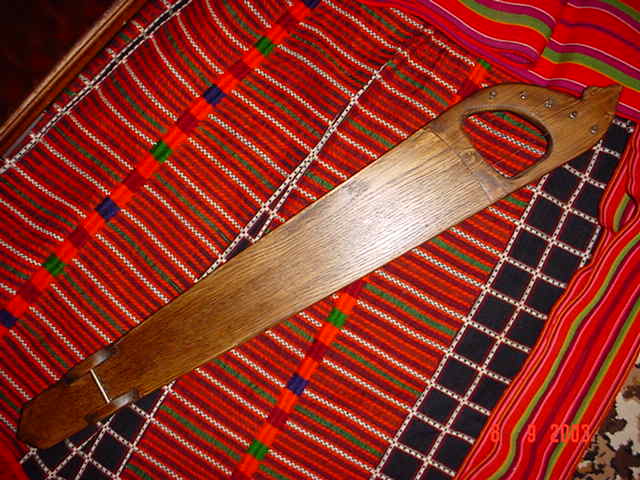
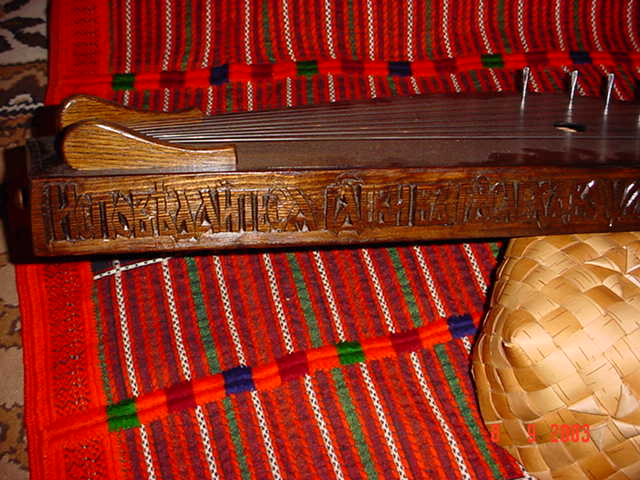
как самих инструментов, так и гусельных наигрышей, приемов игры на гуслях. Мастер Александр Жуковский изготавливает три вида гуслей: крыловидные, шлемовидные и арфовидные.
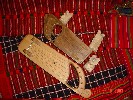
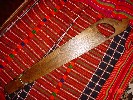
Гусли 5-ти и 7-ми струнные
Гудок
Гудок - старинный русский народный смычковый трехструнный музыкальный инструмент,
с плоскими декою и спинкою, без вырезов по бокам. Две струны строились в унисон,
а одна квинтою вверх. На гудке играли как на виолончели.
Описание можно встретить в сочинениях Гютри и Разумовского.
При Екатерине II Г. был довольно распространен в южной России,
Малороссии и низовых губерниях. В Астраханской губная камышовая дудка, сопель и свирель тоже называются гудками.
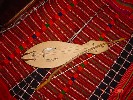
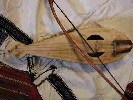
Гудок
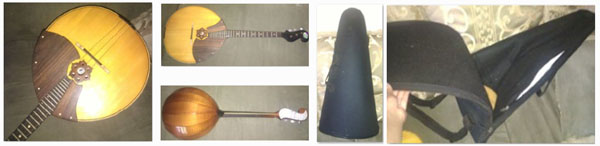
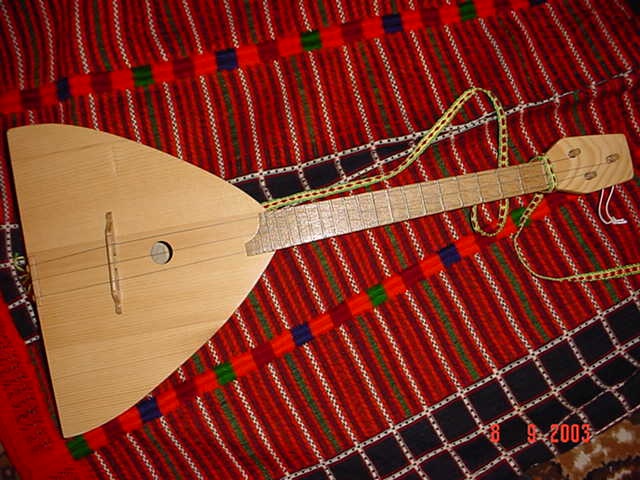
Балалайка
Балалайка.
История балалайки уходит своими корнями в глубь веков, однако, первое упоминание о ней в архивном документе относится к 1688 году.
В нем сказано, что житель Арзамаса Савка Федоров... далее
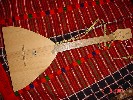
Балалайка
Рожок
Рожок — русский пастушеский духовой инструмент,
имеет вид длинного усеченного конуса; делается преимущественно из бересты,
с восемью перехватами из того же материала. В узкий конец Р.
вставляются кленовый или осиновый мундштук, который крестьяне называют свистулькой.
Русский сигнальный Р. — металлическая, согнутая овалом трубка,
с конусообразным раструбом и мундштуком в виде чашечки —
применяется в войсках. Почтовый Р. имеет форму уменьшенной валторны; в
былые времена применялся почтальонами для сигналов.
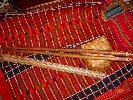
Рожок
Жалейка
Жалейка - русский духовой язычковый музыкальный инструмент — деревянная или тростниковая трубка с раструбом из рога или бересты.
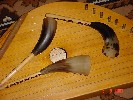
Жалейка
Волынка
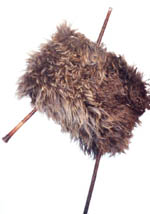
Волынка - народный духовой язычковый музыкальный инструмент с воздушным резервуаром (мехом).
Под различными названиями распространен у многих народов мира.
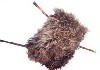
Волынка
Свирель
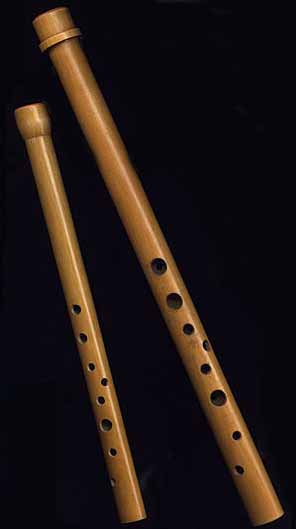
Свирель - ствол с отверстиями. Изготавливают из различных материалов: тростника, глины, кости, дерева, бамбука.
В России свирель распространена в Курской, Белгородской, Тверской, Калужской и Смоленской областях. В Курской области есть еще разновидности свирели - это пыжатка и дудка.
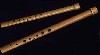
Свирель
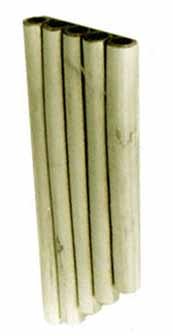
Кугиклы
Кугиклы или кувиклы, кувычки - это русская разновидность флейты Пана.
Изготовлялась обычно из стеблей куги (камыша).Комплект кугикл обычно состоит из 3-5 трубок одинакового диаметра,
но разной длины (от 100 до 160 мм).
Верхние концы, в которые дуют, открыты; нижние закрыты.
Верхние концы инструмента располагают на одном уровне.
Поднося их ко рту, дуют на края зрезов, извлекая, как правило, толчкообразные звуки. Играют на кугиклах обычно ансамблем,
группой из трех-четырех исполнителей. В народной практике это чисто женский инструмент.
Игра на инструменте носит живой, танцевальный характер и сопровождается припевками, приплясами.
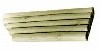
Кугиклы
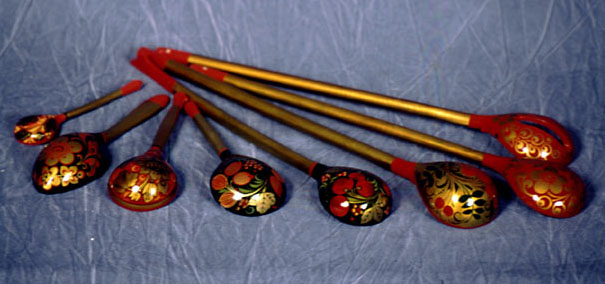
Ложки
Ложки - разукрашенные деревянные ложки.
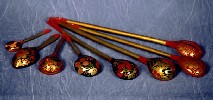
Ложки
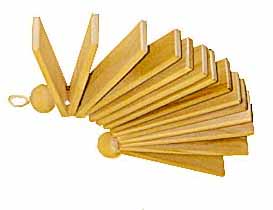
Трещотки
Трещотка - ударный музыкальный инструмент: набор деревянных пластинок.
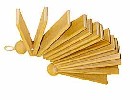
Трещотки
Калюки
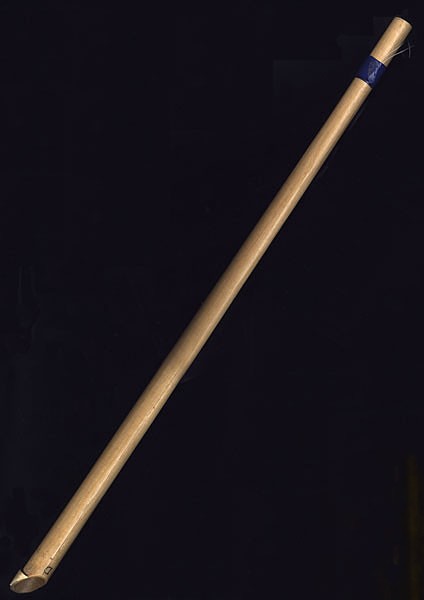
Калюка, каляка - дудка полая внутри, не имеет дополнительных отверстий, роль свистка или пищика выполняет язык,
звук достигается за счет передува.
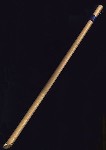
Калюки



3.jpg)
2.jpg)
.jpg)