Domra, Domra luthiers and craftsmen, The dombra, Russian Three-stringed Domra, Ukrainian four-stringed domra, Mandolin, Mandola, Mandolina, Tuning Russian Domra, Domra players and ensembles.
This page is supported by New York based Russian folk music ensemble Barynya. Please contact us if you are looking for live DOMRA performance in the United States. We will find you the best and the most affordable.
Used domra for sale in Philadelphia, PA, Pennsylvania, USA.$400. Sold.
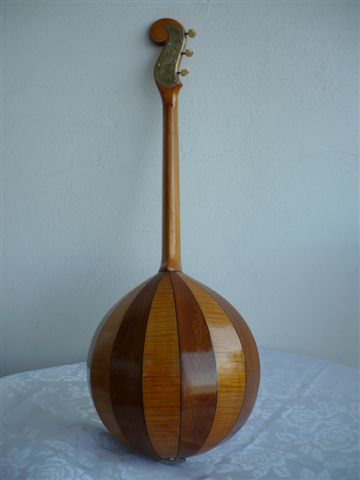
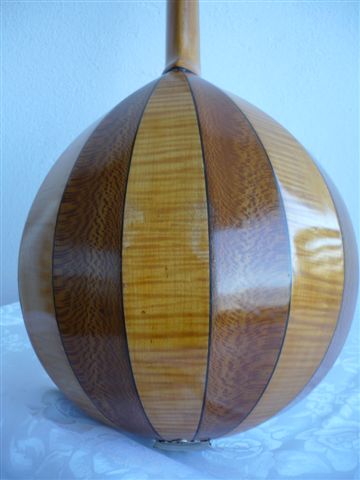
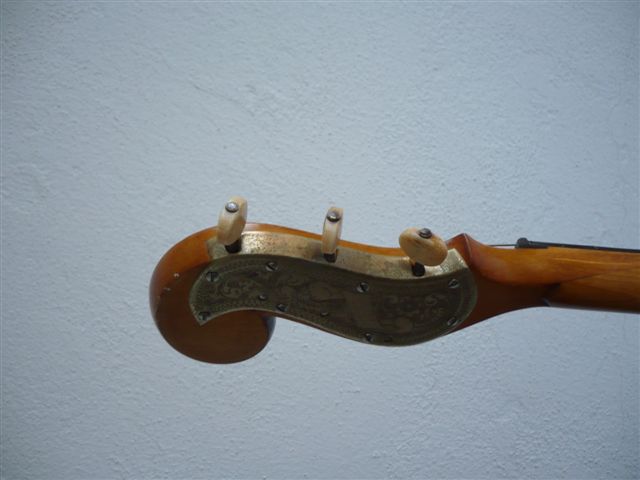
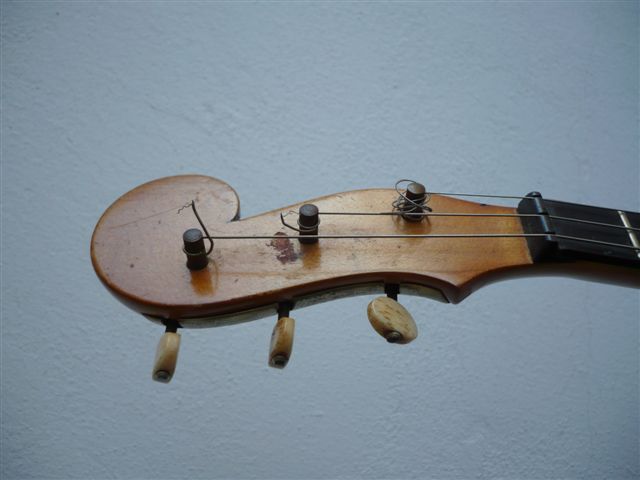
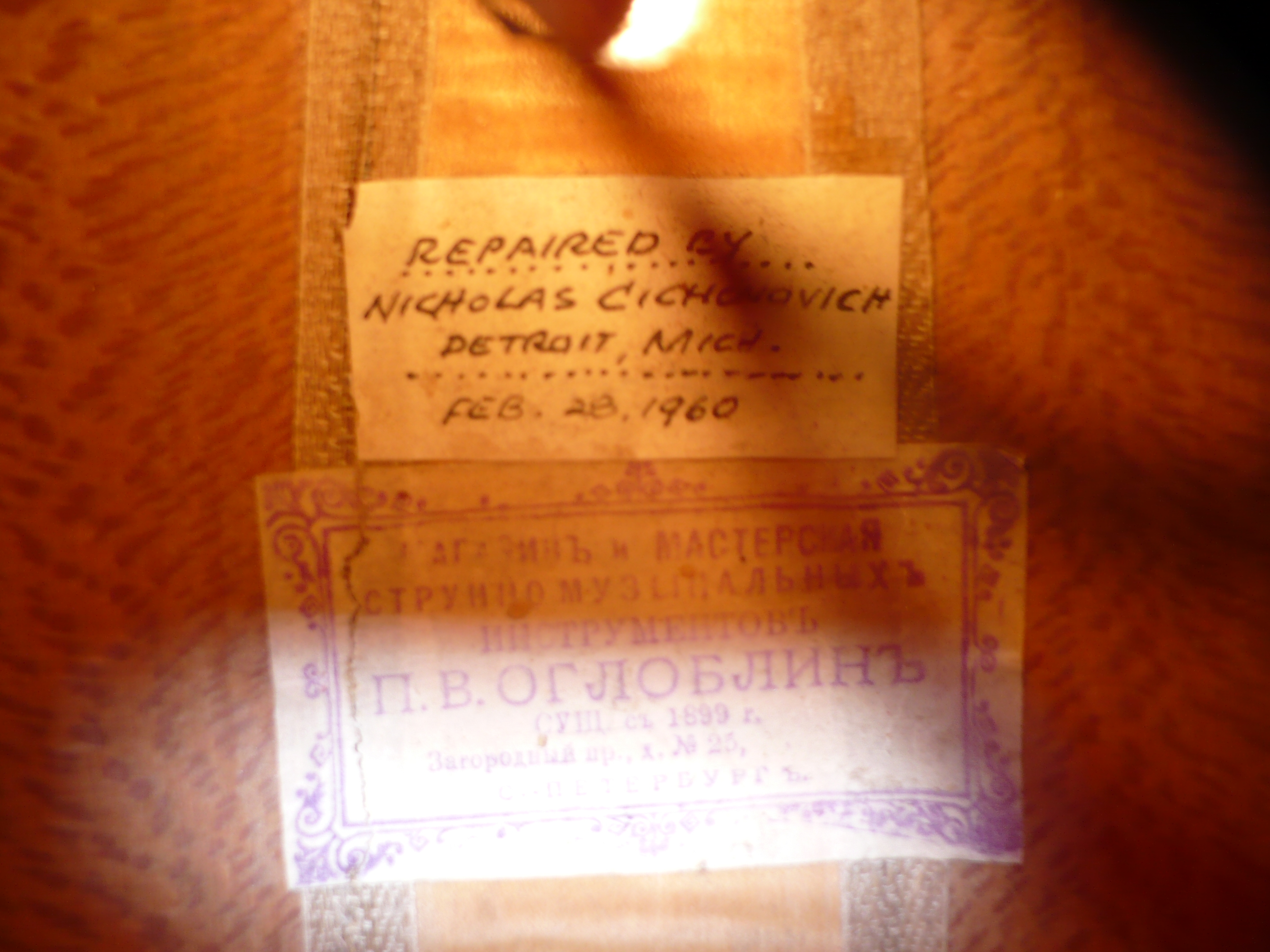
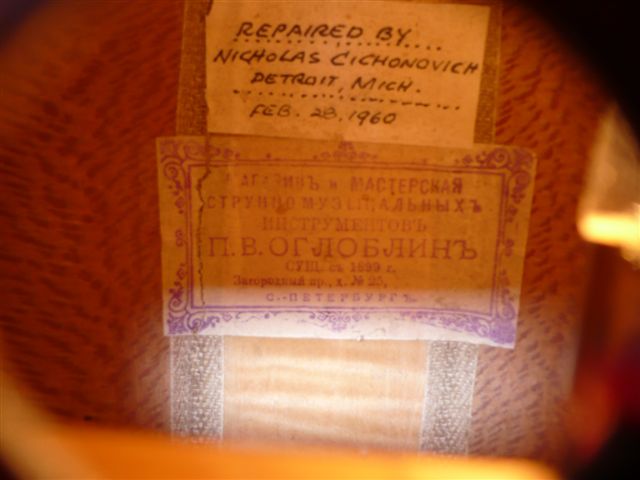
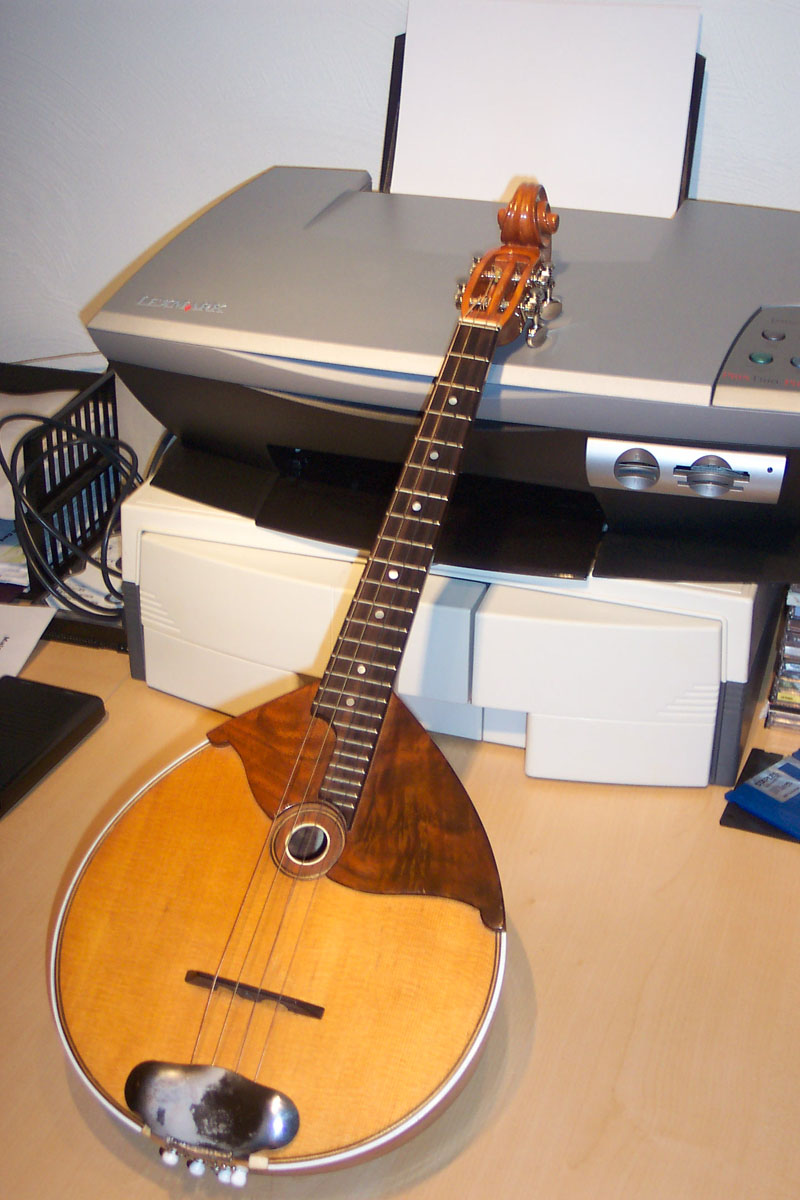
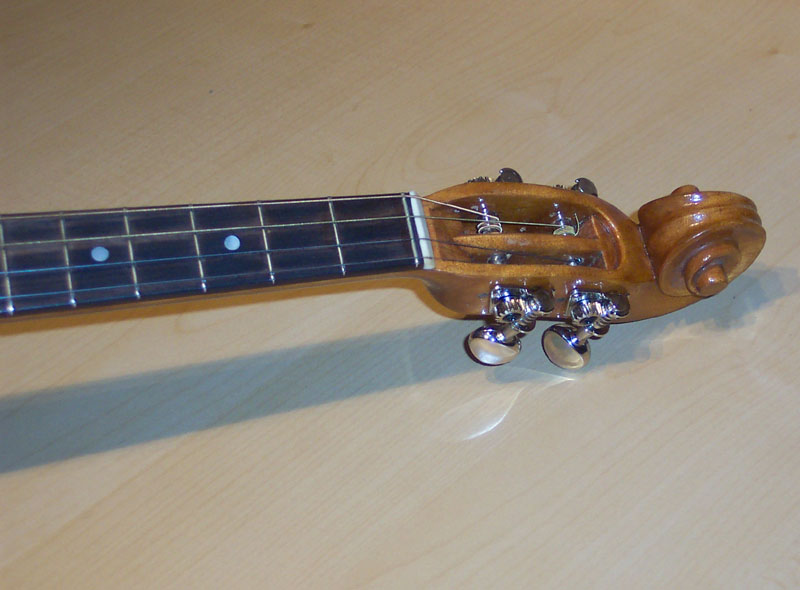
Alto size domra for sale in Toronto, Canada. Made by Petr Ogloblin, Nalimov student. Label from this domra is a little bit in contradictory that Ogloblinii was student of Nalimov, they worked parallel, in the same time. Ogloblin had a shop, majsterskaya, Instrument like this one, really belong to some Russian museum, St Peterburg, or Moscow.
Asking price $10000 US dollars.
Contact e-mail addres: scerba@aei.net
У Налимова были ученики и последователи. Петр Васильевич Оглобин, ставший по приглашению В.В. Андреева заведующим Марьинской мастерской с лета 1918 года (балалайки его работы имеются в экспозиции музея В.В. Андреева в г.Бежецке, фондах музея музыкальной культуры им. М.И. Глинки);
Domra made by master Ogloblin photos
click on thumnails to see full size photos
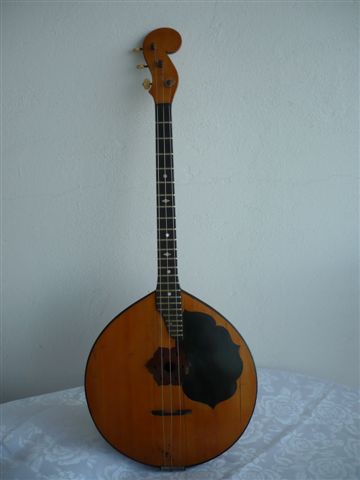
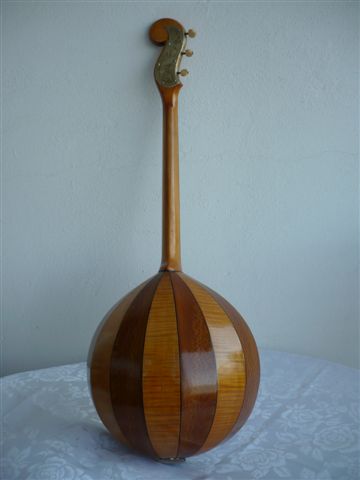
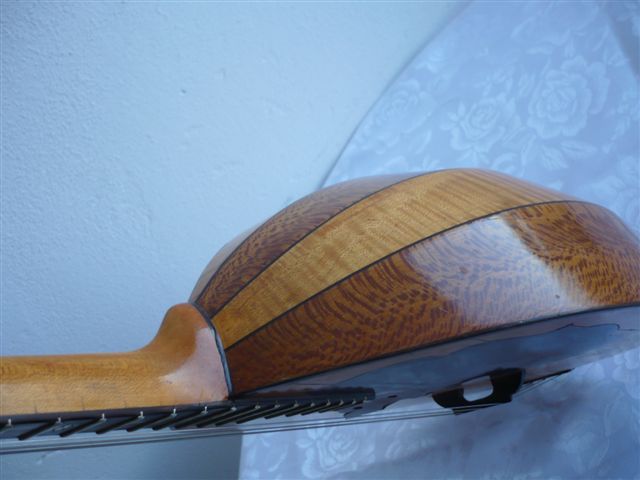
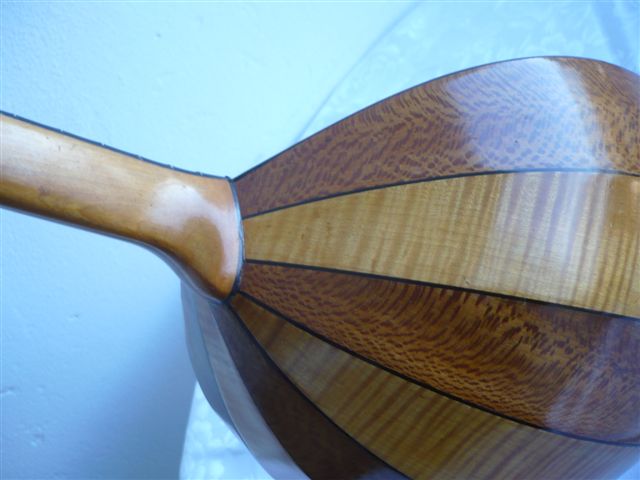
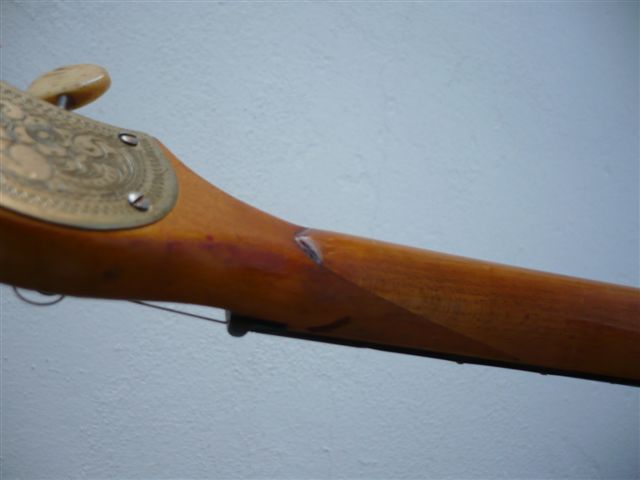
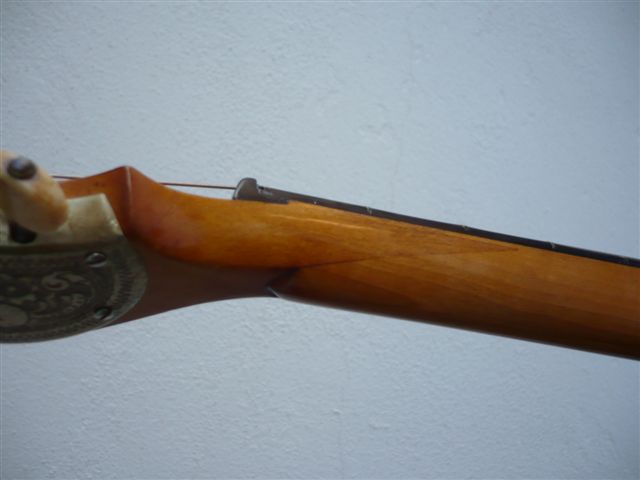
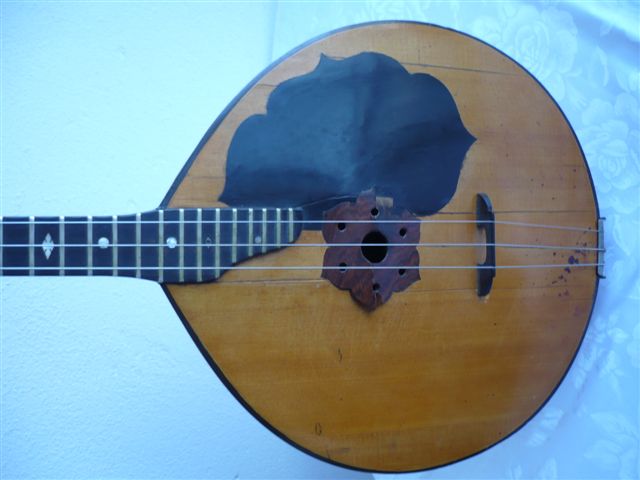
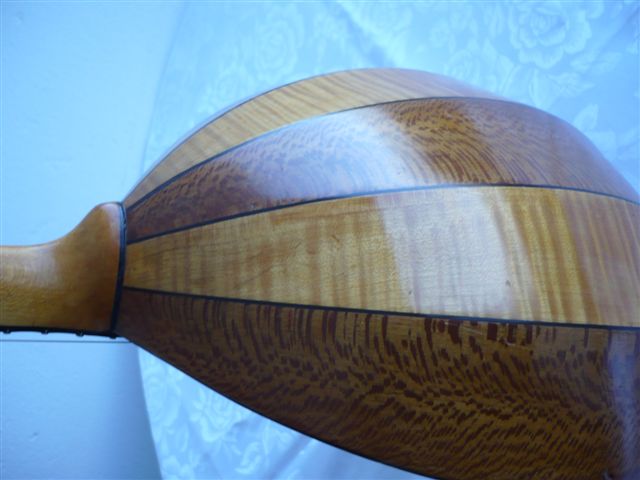
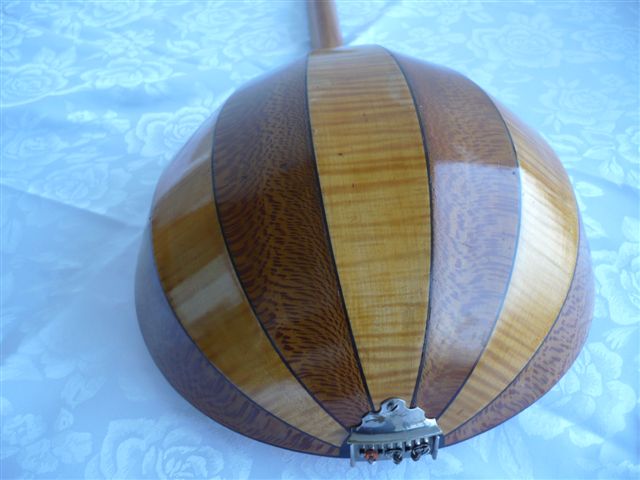
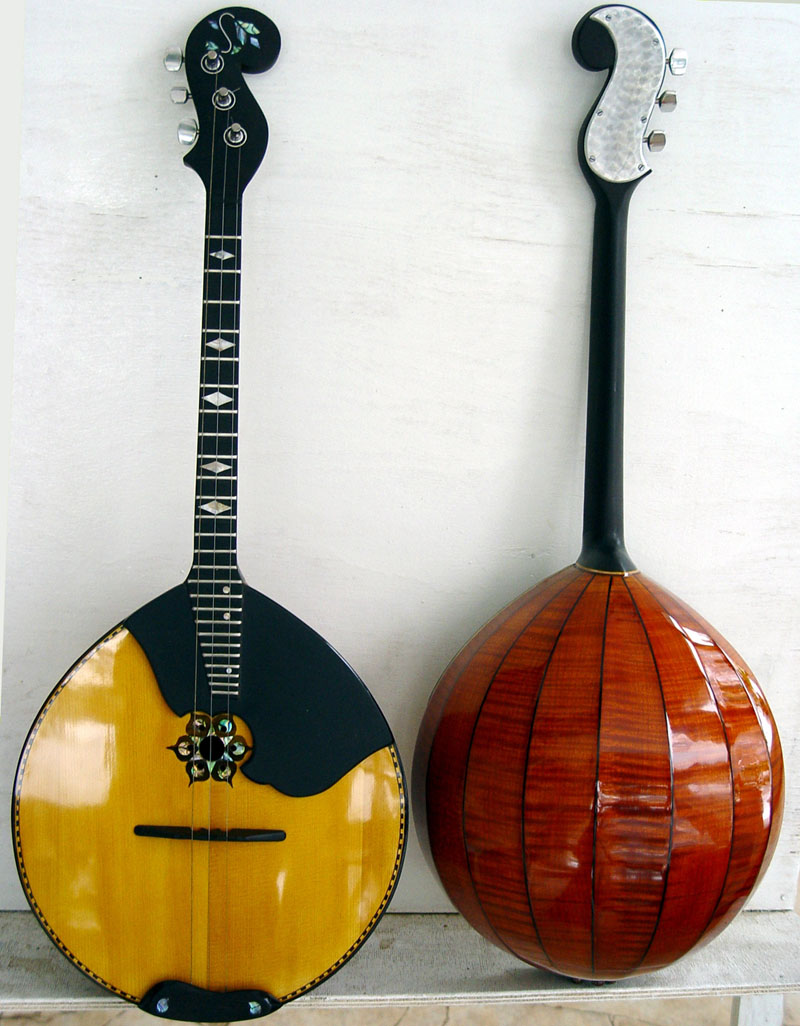
Domra by Luthier B. Usenko from Highland Park, New Jersey, USA
I recieved this email from one of the website visitors some time ago.
I did not have an answer and I never heard of B. Usenko domras and balalaikas,
but I promissed to put this message on the web.
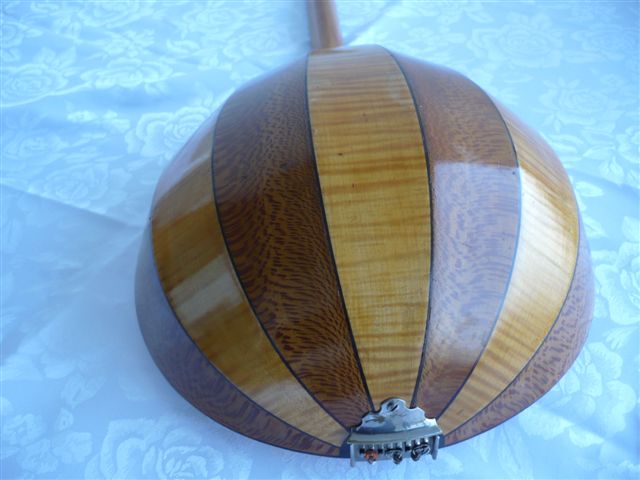
Later on I recieved three pictures of domra built by Highland Park, NJ based master B. Usenko. All three of them you can see on this page. For bigger resolution image, please click on the pictures.
I hope someone will be able to help Aleksander.
Hello!
My name is Aleksander Scerba, Mississauga, Toronto.
You may be one who can Know something about I'm interesting in.
Luthier B. Usenko, Highland Park NJ in years 60-th or 70-th made
beautiful domras and balalakas.
I owe one and it is amazing instrument.
I want to buy one as a gift for my brother who lives in Germany.
This one is made 1965 B. USENKO, Highland Park, New Jersey, USA
If you know somebody who has Usenko-4-strings domra for sale,
of course, for reasonable price, let me know please.
DOMRA PLAYERS AND ENSEMBLES
Russian Balalaika and domra ensemble Balalaika Stooges
from Harrisburg, Pennsylvania. Cossacks, Russian, Ukrainian, Gypsy and other folk music repertoire. Live performance on domra, balalaika, balalaika-contrabass
The four-stringed domra
The domra received four strings from Ukrainians.
In Ukraine a four-string version of the domra tuned in fifths similar to the mandolin.
Four-stringed version was first introduced in 1920 and became extremely popular.
The four-string domra, although thought of as a Russian folk instrument, is not used in Russia itself
where the three-string version is universally used and taught.
Russian Domra
The Domra is a small mandolin size instrument with three or four strings. Instrument was developed by Vasiliy Vasilievich Andreev, the Father of Russian balalaika.
In contemporary Russian orchestras the domra usually does the melody and accompanied by balalaikas and bayans to play classical and traditional Russian music.
Most often domra is played with a pick in Russian Balalaika orchestras
or small musical ensembles.
Domra is the violin of Russian folk orchestra. It is one of the most flexible instruments in Russian orchestra.
Most likely the domra was delivered to Russia in the 12th or 13th century by Mongolians who were ruling Russia at that time.
The tremolo technique often used to play the domra and balalaika.
Single striking or strumming is also used to play the domra.
Tuning Russian Domra
DOMRA PICCOLO:
1st string: A in second octave.
2nd string: E in second octave.
3rd string: H in first octave.

DOMRA PRIMA:
1st string: D in second octave
2nd string: A in first octave
3rd string: E in first octave

DOMRA MEZZOSOPRANO:
1st string: A in first octave
2nd string: E in first octave
3rd string: H in minor octave

DOMRA ALTO:
1st string: D in first octave
2nd string: A in minor octave
3rd string: E in minor octave

DOMRA TENOR:
1st string: A in minor octave
2nd string: E in minor octave
3rd string: H in major octave

DOMRA BASS:
1st string: D in minor octave
2nd string: A in major octave
3rd string: E in big octave

DOMRA CONTRABASS minor register:
1st string: D in major octave
2nd string: A in contra octave
3rd string: E in contra octave

 DOMRA CONTRABASS major register:
1st string: G in major octave
2nd string: D in major octave
3rd string: A in contra octave
Domra-master Evgenij Serjantov
In case that somebody is looking for new domra, one of very well domra-master is Evgenij Serjantov, His E-mail Address: serjantov@mail.ru
(Photo on the left is his 3-stringed domra)
Mandolin, Mandola, Mandolina
Mandolins and Mandolinas evolved from the Lute family in Italy during the 17th -18th centuries,
and the deep bowled mandolin produced particularly in Naples became
a common type in the 19th century.
The original instrument was the mandola (mandorla is almond in Italian and
describes the instrument body shape) and evolved in the 15th century from the lute.
A later, smaller mandola was developed and became known as a mandolina.
The dombra
The dombra is a long-necked two-stringed instrument popular in the Central Asia countries such as Kazakhstan, Kyrgyzstan, and Uzbekistan.
The dombra is played by either strumming with the hand or plucking each string individually, with an occasional tap on the main surface of the instrument.
The Uzbek dombra is usually unfretted, while the Kazakh dombra is played with a fret.
There are a number of similar instruments that differ very little from the dombra described here.
Turkmenistan has the dutar. Tajikistan has the dombura.
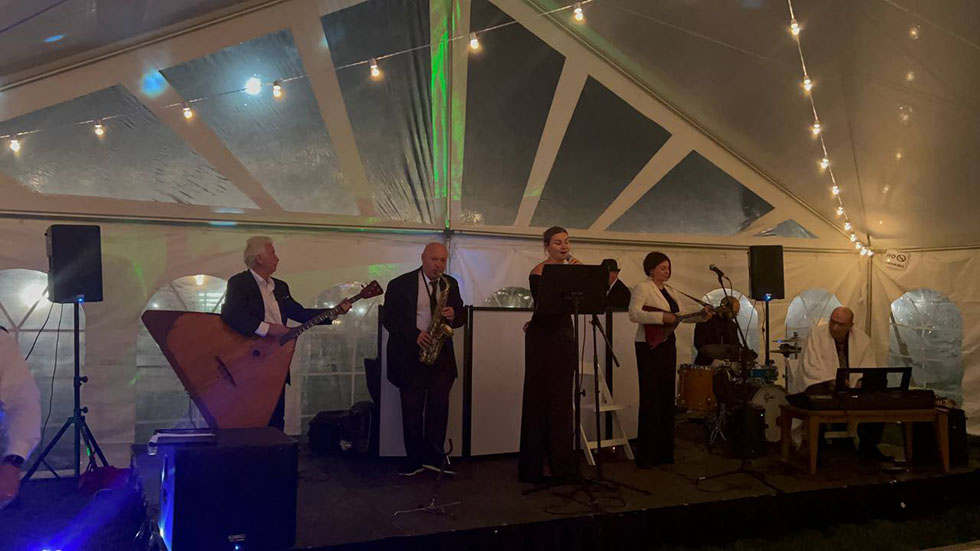
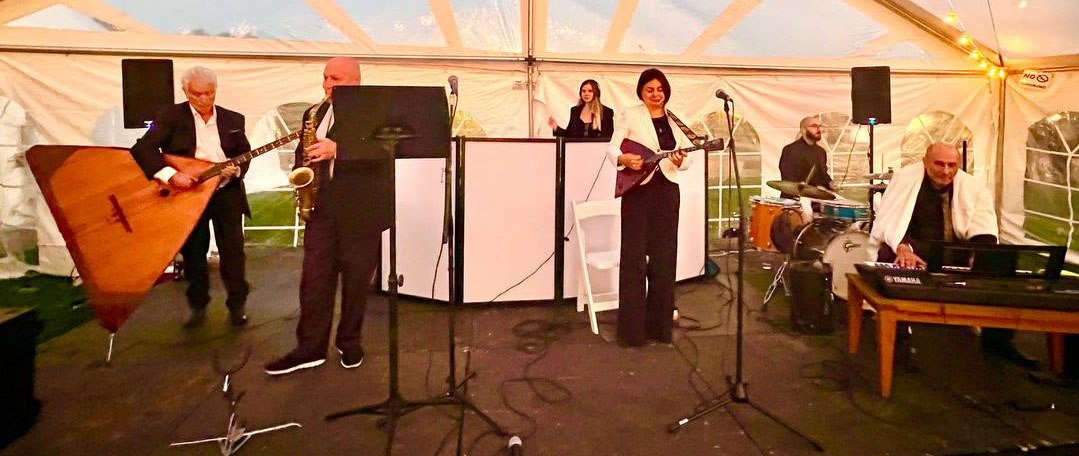
Live Music Balalaika Band - Wedding Tasting Room & Taphouse at Mount Ida Reserve - in Scottsville, Virginia - October 8, 2022
DJ Alisa, bilingual MC-Tamada Mikhail and eight piece live music band provided music and entertainment for mixed Russian-Jewish-American wedding reception in Scottsville, Virginia on Saturday, October 8th, 2022. For their venue newlyweds selected Tasting Room & Taphouse at Mount Ida Reserve, 5600 Moonlight Dr, Scottsville, VA 24590.

 Most likely the domra was delivered to Russia in the 12th or 13th century by Mongolians who were ruling Russia at that time.